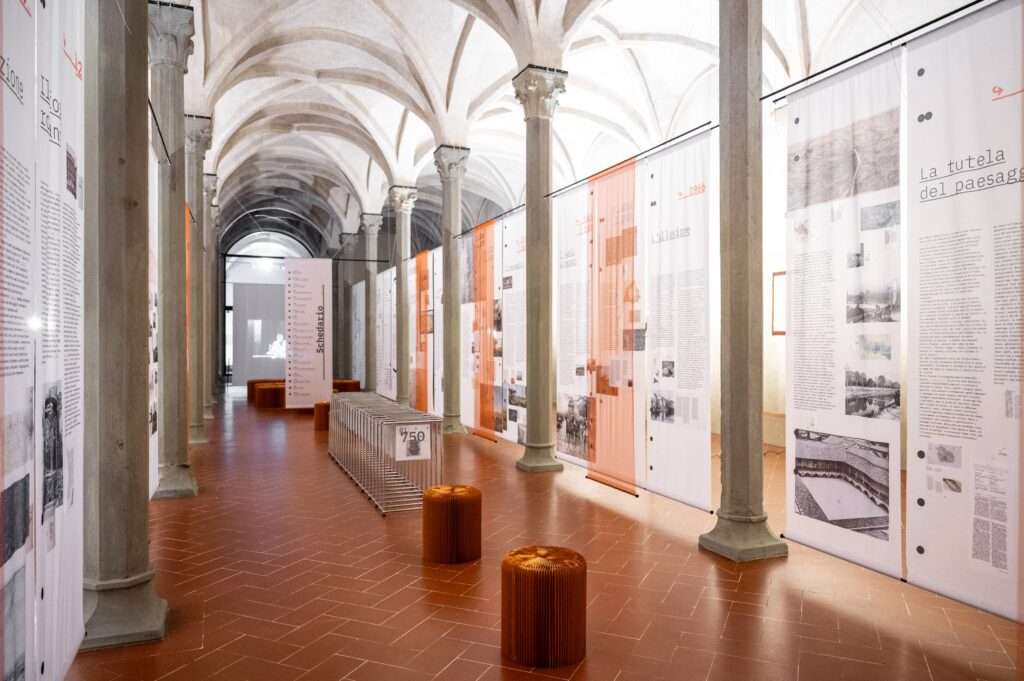
How environment and community exist in symbiosis is the theme of Firenze Forma Continua’s In-naturale, tracing 2,000 years of Florence’s history through the relationship between its landscape, buildings and people. It runs until January 6 in the former dormitory of Santa Maria Novella.
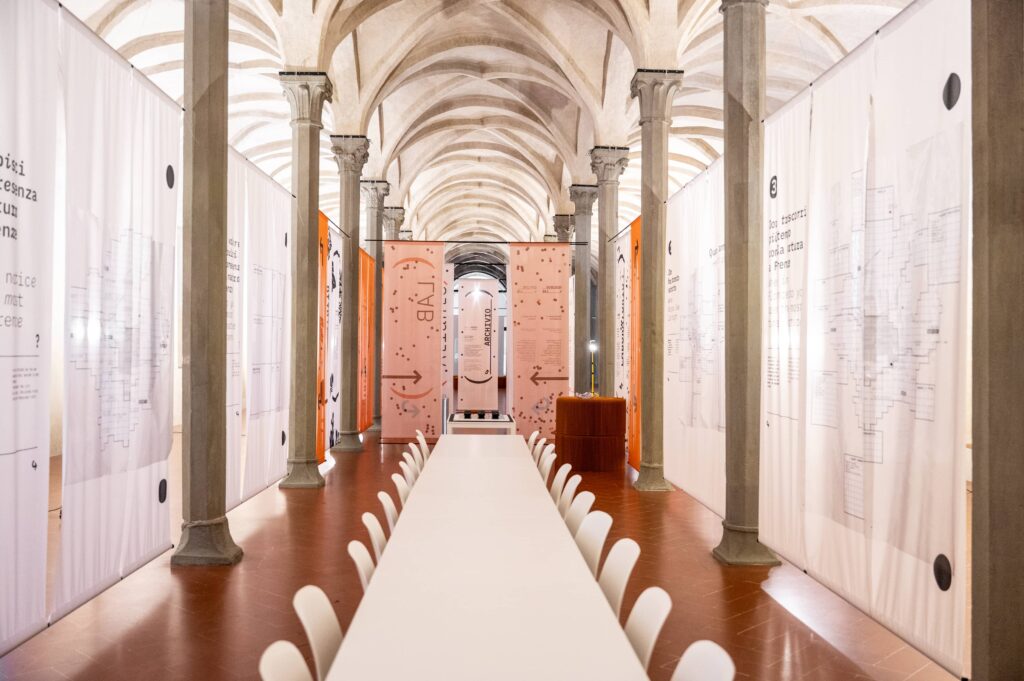
The project draws on UNESCO’s 2011 Recommendation on the Historic Urban Landscape, which moves away from approaching city and nature as separate entities. In-naturale illustrates how water, soil, vegetation and open spaces helped determine where and how Florence evolved and how the community’s choices in turn affected those environments, giving them new forms, uses and meanings.
How do we, Florentines and visitors alike, relate to the landscape around us? How have natural spaces shaped the city we walk through every day? And how have we, in turn, reshaped them? These questions are at the heart of In-naturale, and they are worth keeping in mind along the route. It’s built around 20 moments tracing Florence’s urban evolution, on top of 13 thematic deep dives that bring different eras, places and phenomena into conversation. It begins with the founding of the Roman city and the organization of its arable land, then follows the Arno and its tributaries, medieval vegetable plots and gardens and the changes of the Renaissance, up to Giuseppe Poggi’s 19th-century tree-lined viali and the landscaping of the hills. It closes with the 20th-century expansions and the city’s changed relationship with its river after the 1966 flood.
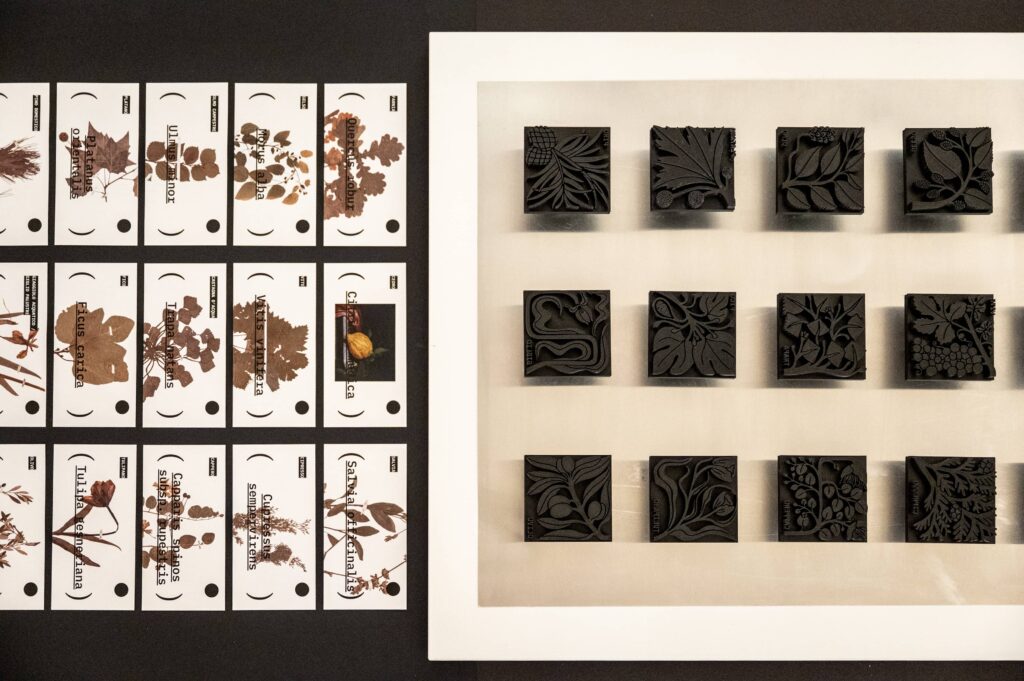
Particular attention is given to the city’s plant heritage. A selection of wild and cultivated species from each phase of Florence’s history, including riverside plants, trees from public spaces and species brought into gardens and orchards, becomes a set of clues for reading the landscapes that have come and gone. The selection was developed with the Erbario Centrale Italiano, part of the University of Florence’s museum system.
Take it one step further with Fondazione MUS.E’s programme of hands-on activities. Every Saturday at 10am, children aged 6 to 10 can join Erbario fantastico (“Fantastic Herbarium”). Taking inspiration from natural elements and Florence’s green history, they use shapes, stamps and cut-outs to invent imaginary organisms for a shared herbarium of the city. Guided tours for adults also run on Saturdays and look more closely at how the river and green spaces have shaped Florence and its communities. Activities cost 4 euro for residents of the Città Metropolitana di Firenze and 8 euro for non-residents, on top of the entry ticket. Fody Fabrics is also running two free workshops on creativity, inclusion and sustainability, on November 14 and December 12, with 90-minute sessions at 11am and 2.30pm, where participants turn materials from the exhibition into handmade objects to take home. Booking is required for all activities.
In-naturale emerges from the research carried out by HeRe Lab (Heritage and Research Innovation Laboratory), a collaboration between the University of Florence and the Comune di Firenze’s UNESCO World Heritage office. It was coordinated by Carlo Francini and Valentina Ippolito, curated by Giovanni Gubitosa, Vanessa Staccioli and Gaia Vannucci, and organised by Fondazione MUS.E.
Entry tickets: 10 euro full price; 8 euro for ages 11 to 17; free for Florence residents (with ID), Card del Fiorentino holders and other eligible visitors.
Information and bookings: info@musefirenze.it | 055 0541450