Seven museums total 50,632 artistic artifacts, encompassing sculptures, paintings, tapestries, ivories, jewellery, majolica, medals, coins, textiles, musical instruments, furniture and ancient weapons. Reaching 18,610 square metres of exhibition space and home to the most important collection of works by Michelangelo Buonarroti in the world, the newly formed combined museum system of the Accademia Gallery and the Bargello Museums announces a shared cultural vision and coordinated management that make it of unique significance both in Italy and beyond.
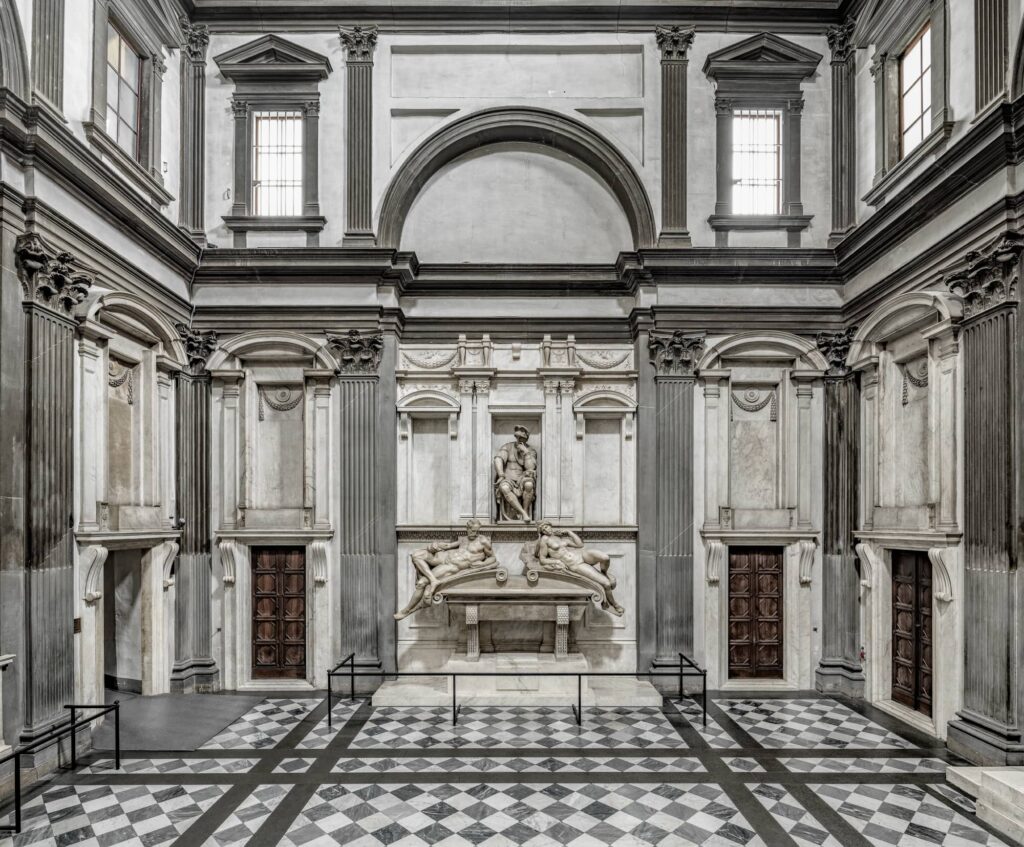
The museum network, under the general direction of Andreina Contessa, is made up of the Accademia Gallery, the Bargello National Museum, the Medici Chapels Museum, the Palazzo Davanzati Museum, the Orsanmichele Complex, the Casa Martelli Museum, and, once the work is completed, the former church of San Procolo that will be dedicated to temporary exhibitions.
A map of the seven sites sees connections and dialogue between masterpieces of various different artistic languages, eras and modes of expression, detailing the city’s cultural wealth in a new, unified museum system. Announced as part of this new journey were the interventions and innovations planned for the network, including the creation of thematic itineraries, unified tickets and opening hours, with planned initiatives to encourage locals and families to frequent the museums, as well as encourage a more conscious and less voracious tourism.
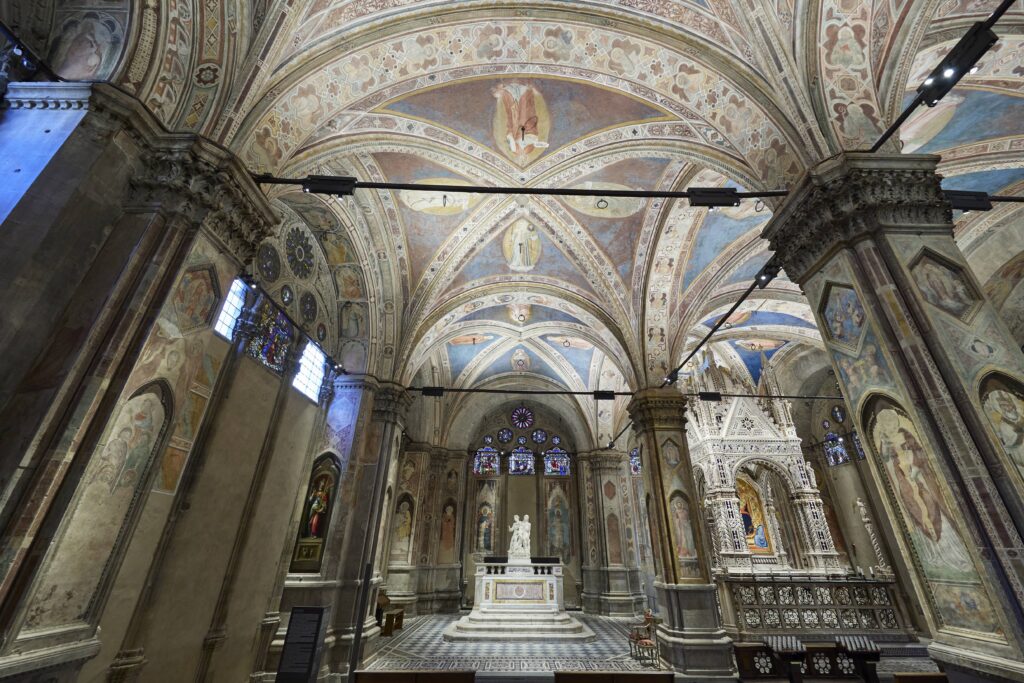 Interior Orsanmichele Church
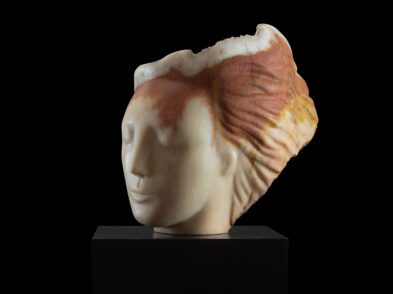
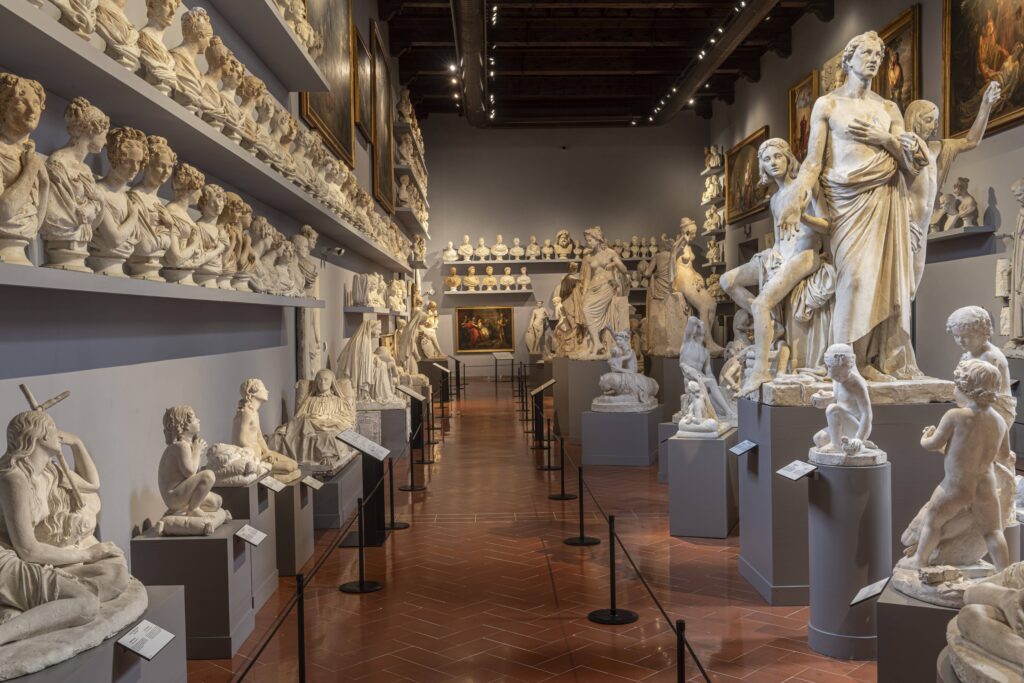 Accademia Gallery Gipsoteca ph. Guido Cozzi
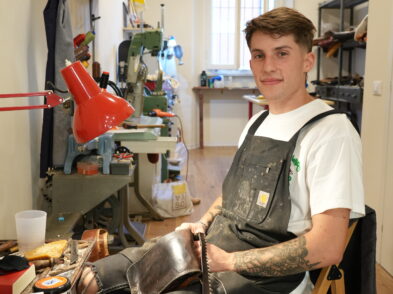
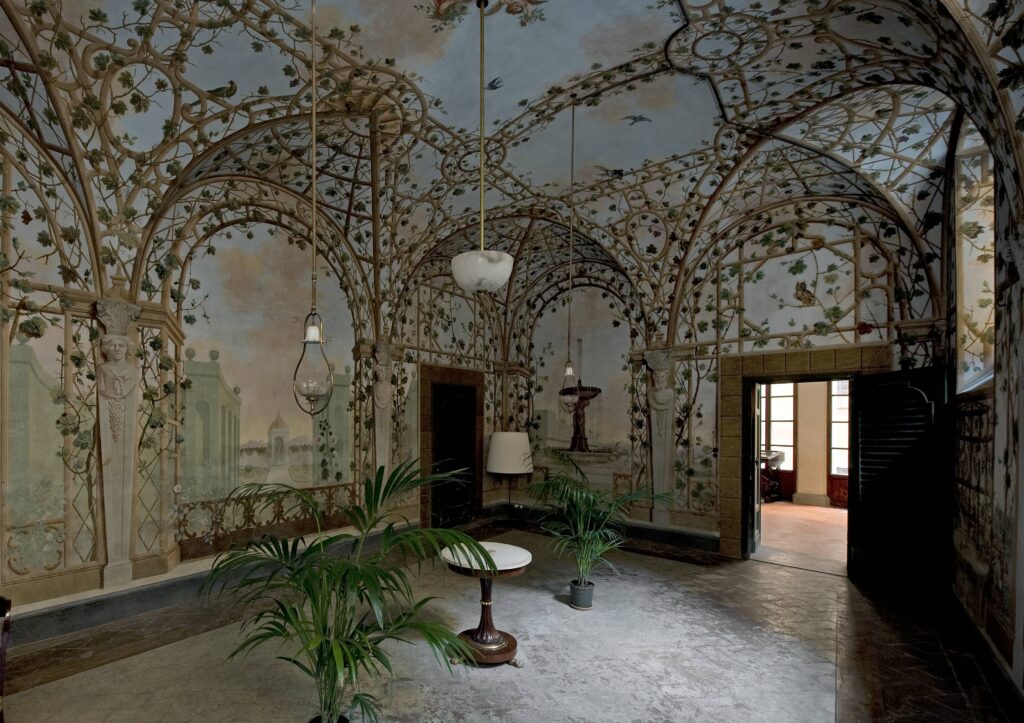 Casa Martelli Museum, Gaetano Gucci, Bersò (1791)
Starting March 15, 2026, two cumulative tickets will be introduced, allowing visitors to visit all the museums in the group with a single ticket valid for 72 hours at a cost of 38 euro. The duration is intended to foster a slow, meaningful engagement with the museums and their works. Alternatively, you can access the Accademia Gallery and the Bargello National Museum within 48 hours for 26 euro. A family ticket at a convenient price is also being considered. At the moment, entry to the Casa Martelli Museum remains free on the two opening days, Tuesday afternoon and Saturday morning, but a paid ticket will be introduced in the future. Reduced-price tickets and free admission as required by law remain unchanged. All tickets can be purchased through the official channel authorized by the MiC (Ministero della Cultura), managed by Giunti-Opera Laboratori, through the reservations centre at +39 055 294883, and through the B-Ticket online ticket office on the official websites: Accademia Gallery and Bargello Museums. Starting March 15, from Tuesday to Sunday, all museums will be open from 8.15am to 6.50pm, with the exception of Casa Martelli, whose opening hours depend on the various works currently underway.
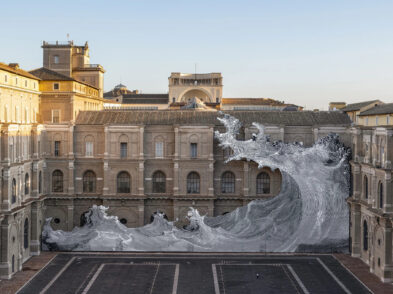
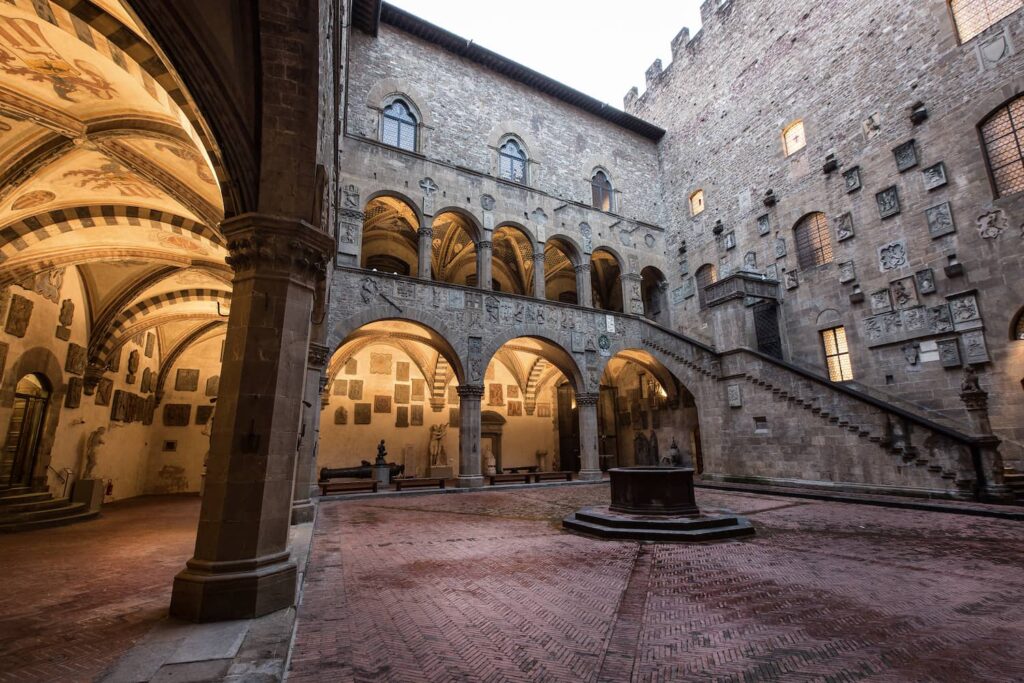 Museo Nazionale del Bargello Cortile
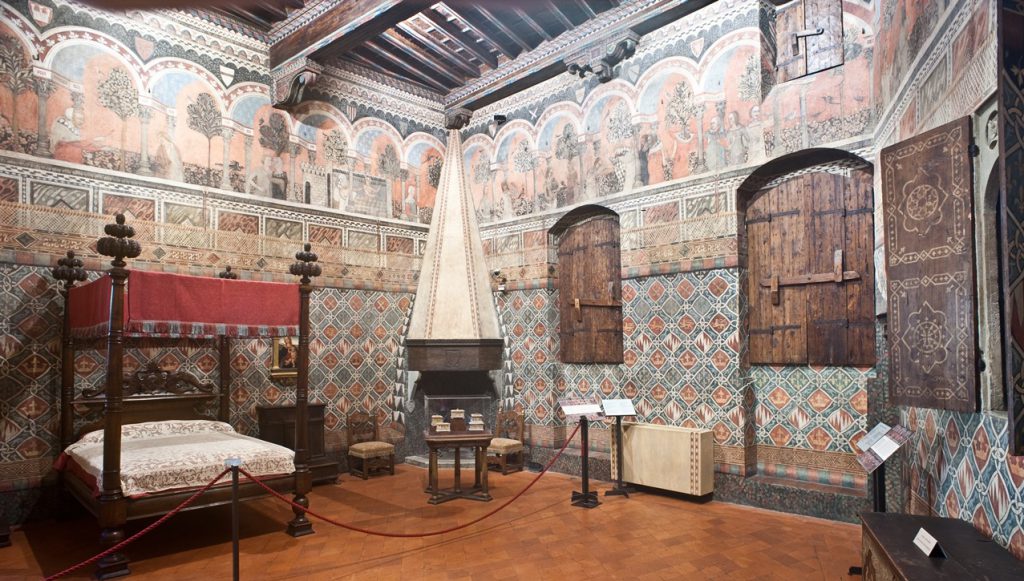 Palazzo Davanzati
Individual museums will see increases to their tickets, with the initial price and the planned increase as follows:
Accademia Gallery from 16 to 20 euro
Bargello National Museum from 10 to 12 euro
Palazzo Davanzati Museum from 6 to 8 euro
Medici Chapels Museum from 9 to 11 euro (excluding Michelangelo’s Secret Room, remaining 32 euro)
Orsanmichele Complex from 8 to 10 euro
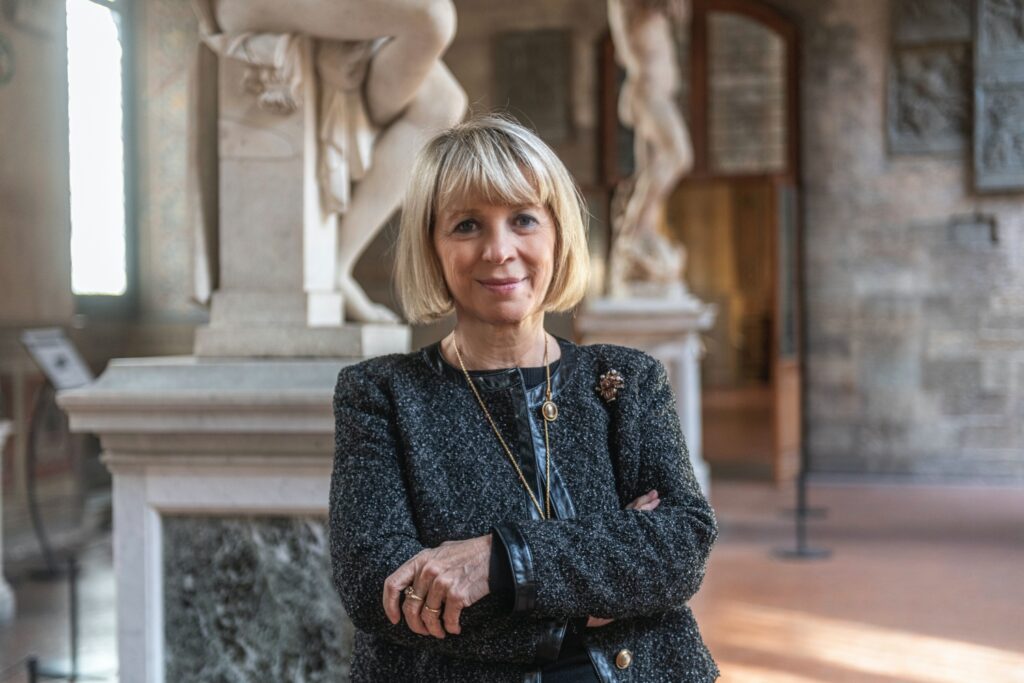
Director General Andreina Contessa details, “I believe that this union between two great institutions represents a challenge and an opportunity for both. Visitors will be able to enjoy a unique museum, architectural, and artistic itinerary spread across different buildings in the city, journeying through Florence’s diverse historical eras and guises. This union, through tools such as integrated ticketing and standardized opening hours, will lead to a rebalancing of visitor flows and economic resources. The cultural strategy consists of enhancing the unique features of the individual museums by connecting them…We want to return these greatly popular places to Florentines, developing initiatives and special openings for locals and emphasizing the role of museums in serving the community. At the same time, we must consider implementing a comprehensive awareness campaign to raise visitors’ awareness of sustainable practices in the context of cultural heritage and conservation issues. I know from experience that mergers can represent great opportunities, but they are never simple. The union of the Accademia Gallery and the Bargello Museums will entail a complex change in management and administration. This is why I began my Florentine assignment by meeting with the staff: listening is essential to understanding their needs and perspectives. Also because it is from the voices of those who experience the museum every day that the profound sense of a cultural community capable of innovating, growing, and speaking to the world is born.”