They are everywhere, yet almost no one sees them. Embedded in the façades of Florence’s most celebrated buildings, camouflaged within the same stonework as grand Renaissance portals, sometimes just a few steps away from tourist plaques in front of which hundreds of people pass each day, they remain invisible. These are the city’s “hidden doors”: small service entrances, side openings, forgotten thresholds. In recent years, I have documented more than 300 of them, convinced that they reveal a different Florence from the one told in guidebooks.
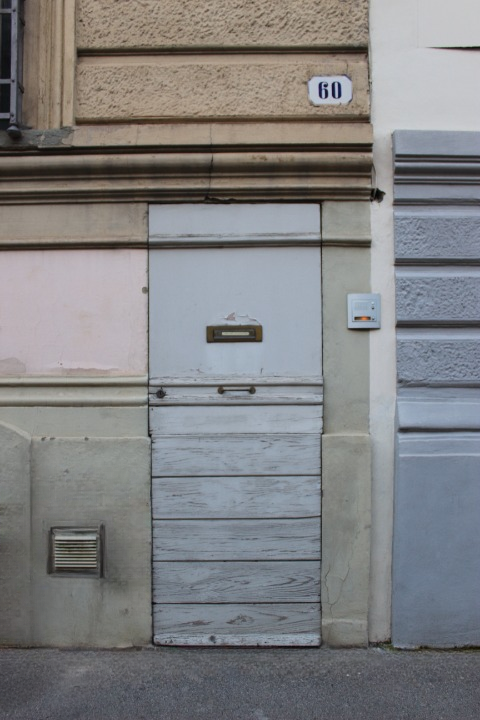
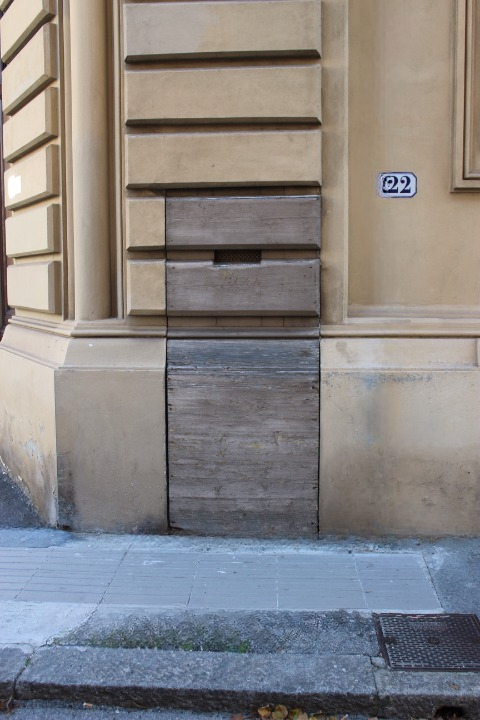
It began by chance, during a walk, one of those habitual routes where you barely look around. I stopped in front of a small door I had never noticed before, perfectly integrated into the frontage of a building I thought I knew. It had been there for centuries, in plain sight—and yet, to me, it simply did not exist. I began to look for others. I found dozens within weeks, hundreds within months. It was not an isolated detail; it was a widespread system. But what exactly are these doors?
In many cases, they are secondary entrances: service access points, passages leading to inner courtyards, connections between functional spaces within complex buildings. In other instances, they are layered traces of transformations over time: openings modified, reduced or even sealed, yet still legible within the fabric of the wall. Some are perfectly camouflaged: same stone, same colour, same texture as the façade itself. Others retain more visible signs of their function: a worn step, a faint frame, a proportion that feels slightly out of scale with the building. All of them share an essential quality: they were never meant to be seen. That is precisely what makes them so compelling.
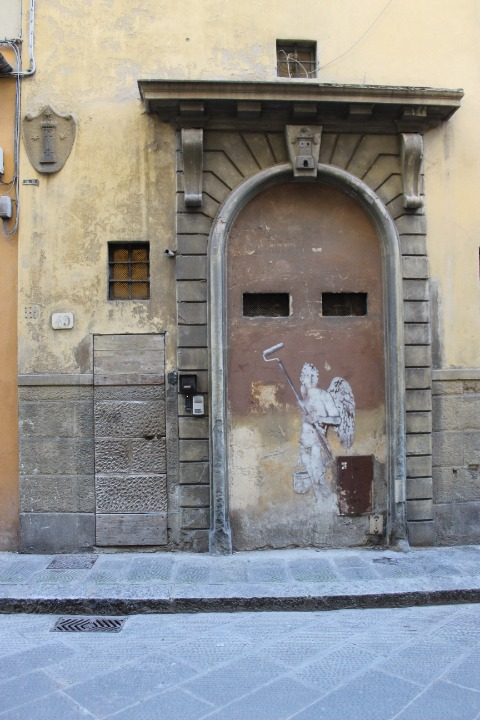 Campuccio
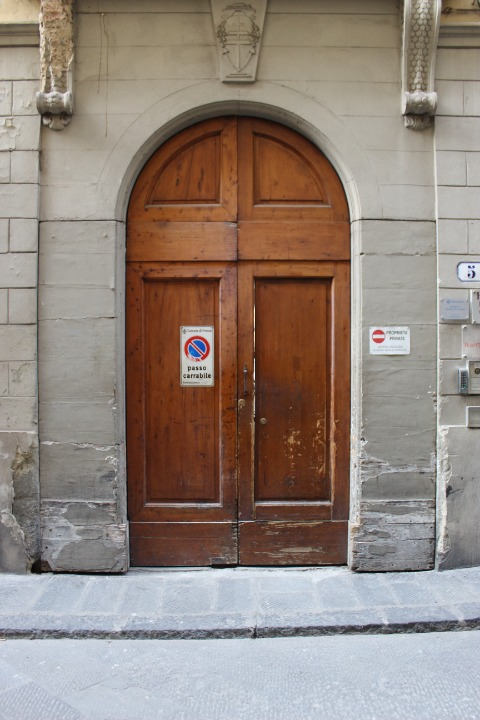 Pinti
Pinti
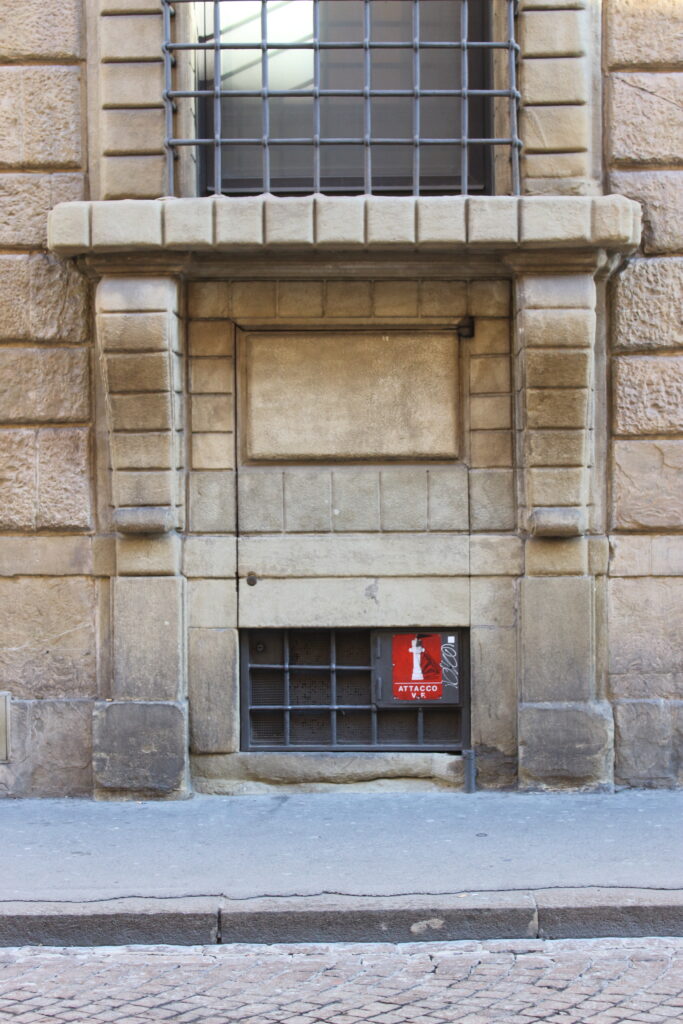 Vecchietti
Observing them means shifting your perspective on the city. You move from the monumental Florence of Renaissance portals to a more subtle one, consisting of thresholds and details, where traces of everyday life quietly accumulate. It is an exercise in attention, away from the most familiar paths. Once you begin to notice them, you cannot stop. You walk along a street you have crossed countless times and suddenly realize that your gaze has lowered, slowed down and become more attentive. Florence ceases to be just a collection of icons and becomes a dense fabric of small signs, scattered everywhere.
This discreet heritage is also particularly fragile. These minor doors are not specifically protected, they are not signposted and they do not belong to any established tourist route. Many have been altered or removed over time without their loss ever being perceived. And yet they represent an authentic part of the city’s identity, the kind of “minor heritage” that, when taken together, forms the very texture of Florence itself.
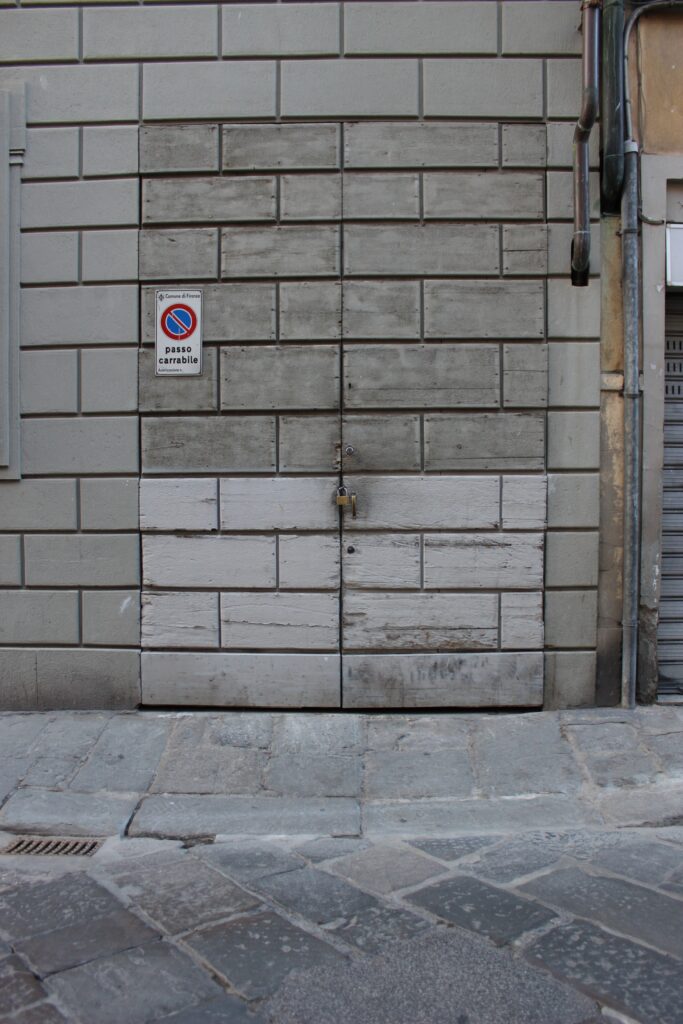
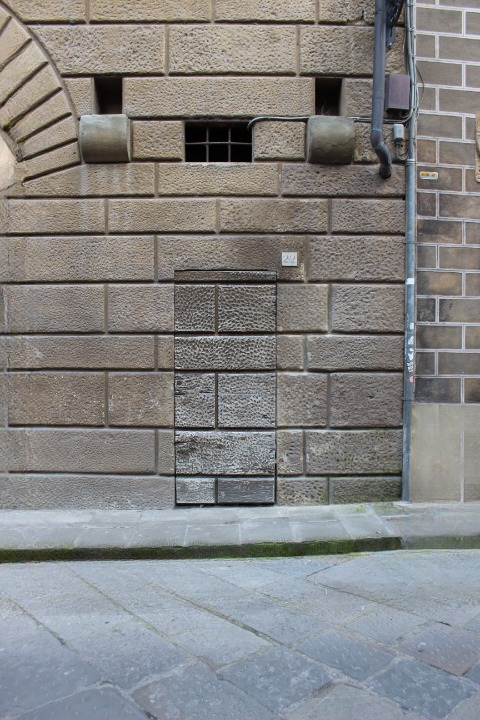
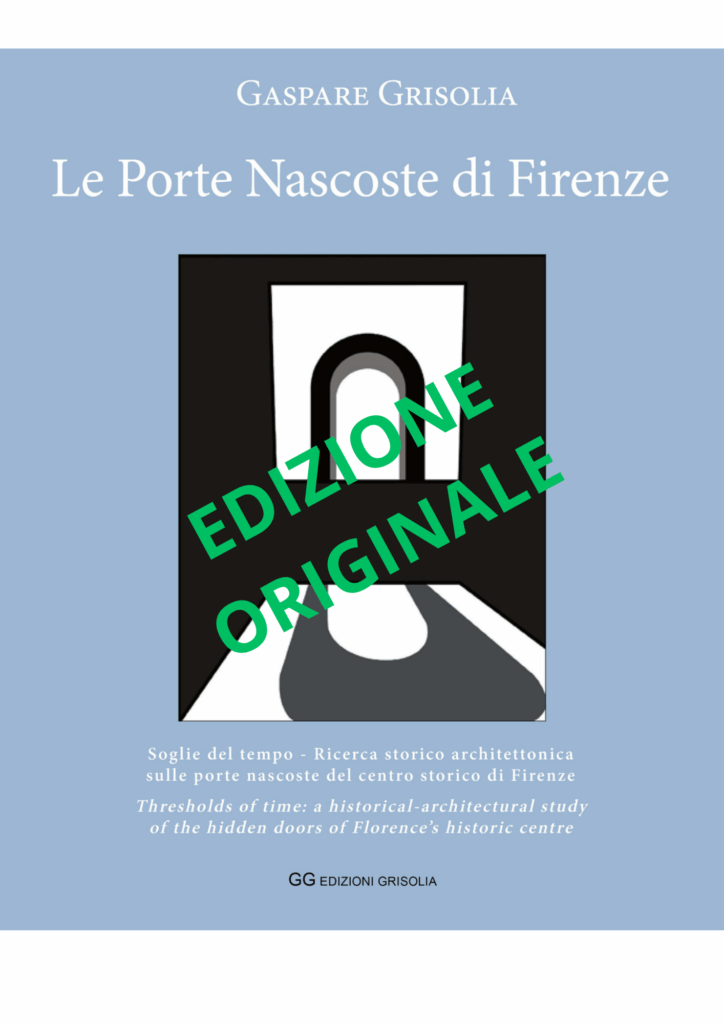
Documenting them means, first of all, making them visible, which, in turn, means restoring their value. From this need came the book Le Porte Nascoste di Firenze, a project that gathers and organizes this research through an accessible historical approach, combining images, descriptions and urban itineraries. The book proposes an alternative way of interpreting the city, inviting readers to explore Florence through these subtle yet meaningful elements. It is not simply a catalogue, but an invitation to look at the city differently, with the aim of raising awareness about the preservation of and respect for these concealed portals.
By following the itineraries, readers can become explorers, rediscovering streets they have walked countless times. It is a way to slow down, observe and engage with the city more consciously. In an age where urban experience is often filtered through quick images and predefined routes, these hidden doors offer something different: the possibility of getting lost in details, developing a personal gaze and discovering what is not immediately visible.
In this sense, Florence is not only a city to admire, but a place open to interpretation, where its hidden doors are like silent words carved into stone. All it takes is learning how to recognise them because once you have seen them, you cannot unsee them and the city you thought you knew will slowly begin to tell you something new.
The Hidden Doors of Florence. Thresholds of Time: A Historical and Architectural Study of the Hidden Doors of Florence’s Historic Centre by Gaspare Grisolìa is coming soon in a bilingual Italian and English edition. Presentation by Prof. Giampaolo Trotta.