There’s a key to reading The Odyssey – proposed by Pietro Archiati in a series of lectures held in Florence, entitled “The Odyssey: Every Man’s Journey” – according to which the ten years of storms, monsters and spells become the visible face of an inner journey: the slow maturation of a soul toward freedom and a self that belongs to it. Read in this way, the poem is a mirror, and the traveler who walks within it is, ultimately, each of us.
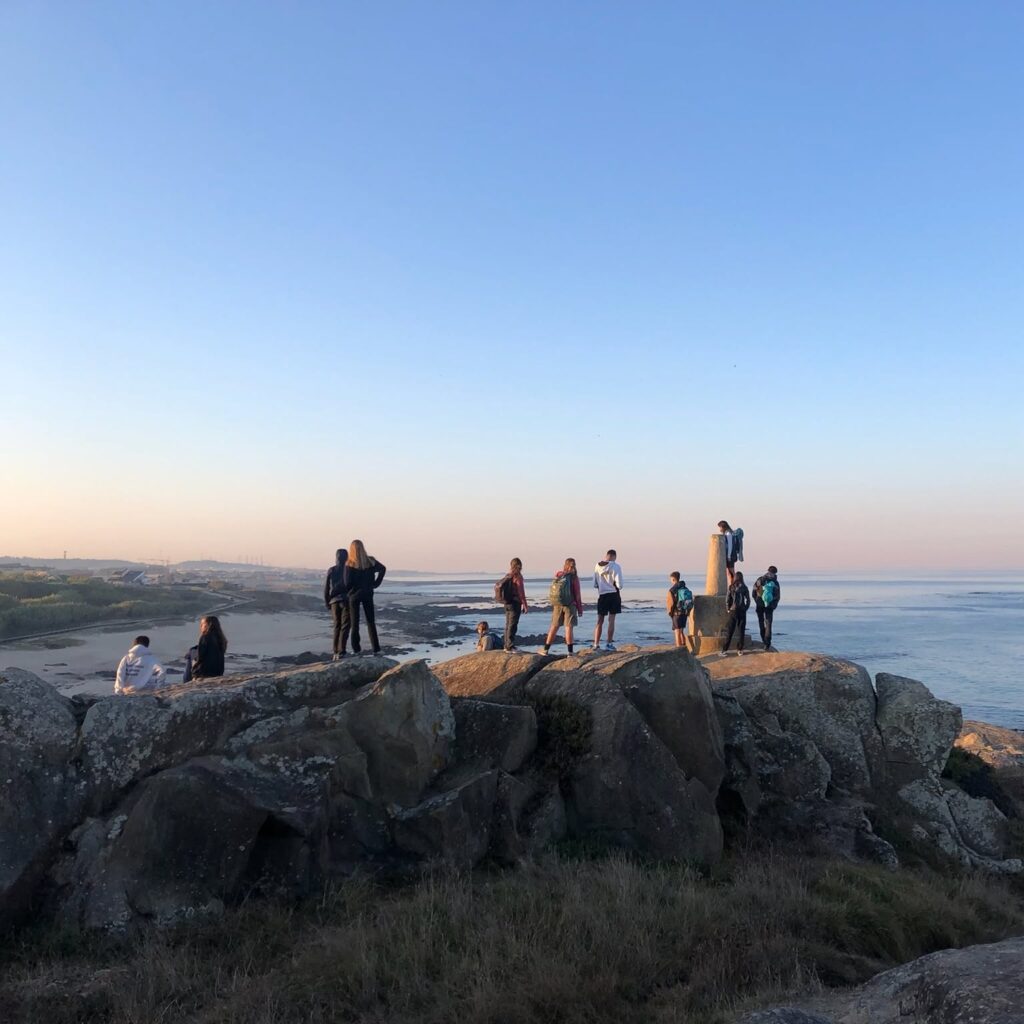
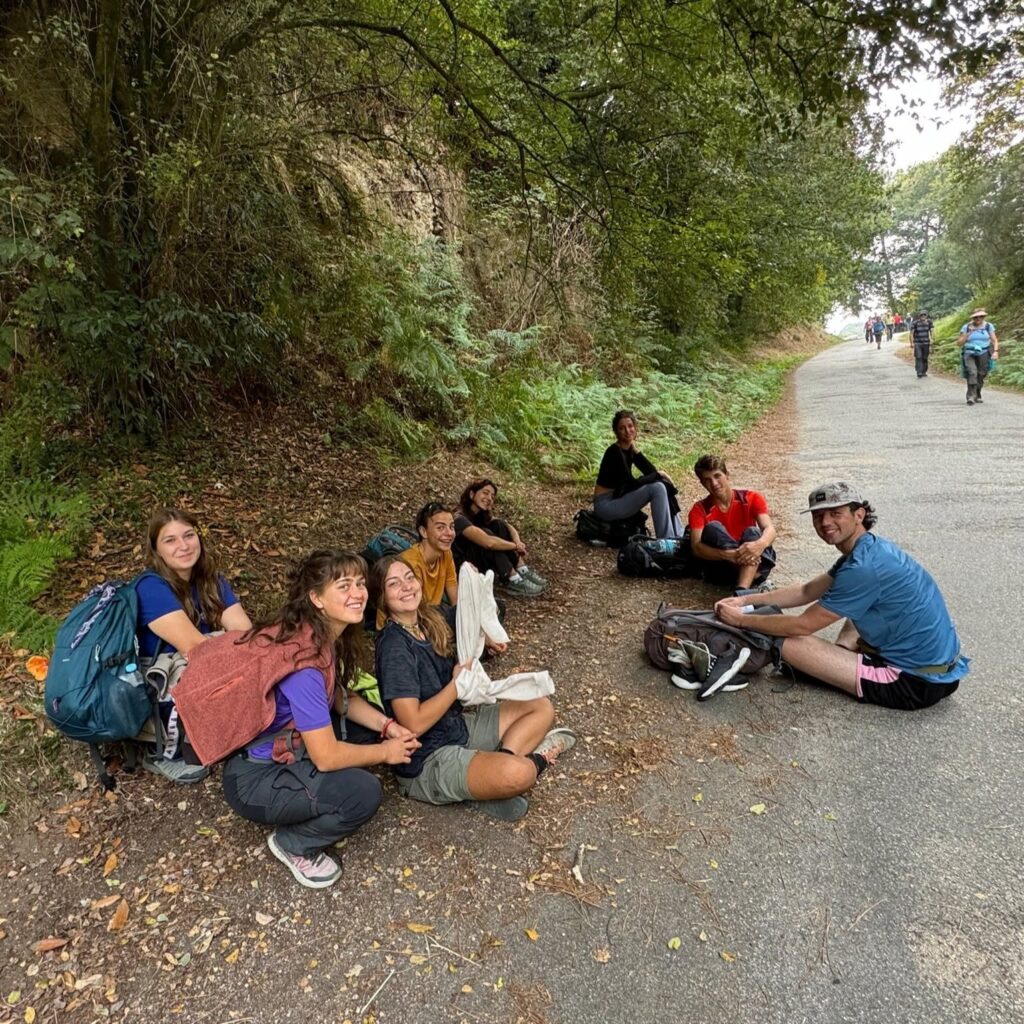
In trying to describe our school, the Steiner-Waldorf High School of Florence, the image of Odysseus forcefully brings me back to the theme of adolescence. In the restlessness and changing moods of young people, in their sudden hunger for true experience, a school can recognize older and more archetypal needs, perhaps superior to any curriculum. The temptations, the losses, the long detour, the stubborn will to become oneself and find one’s way home: this, in its secret form, is perhaps the very essence of adolescence. A school that recognizes an Odysseus in each of its students already gives a different meaning to teaching.
Ultimately, growing up means finding one’s own voice. As Alessandro D’Avenia recalls in a very recent and beautiful book on The Odyssey, the Greek language calls children nēpios, literally “he who is without speech”: growing up, then, means coming to speak and acquiring a judgment with which to view the external world and one’s own inner life. This is precisely what a school can nurture and support: the birth, in each child, of independent thought, the ability to think for themselves and trust in their own strengths.
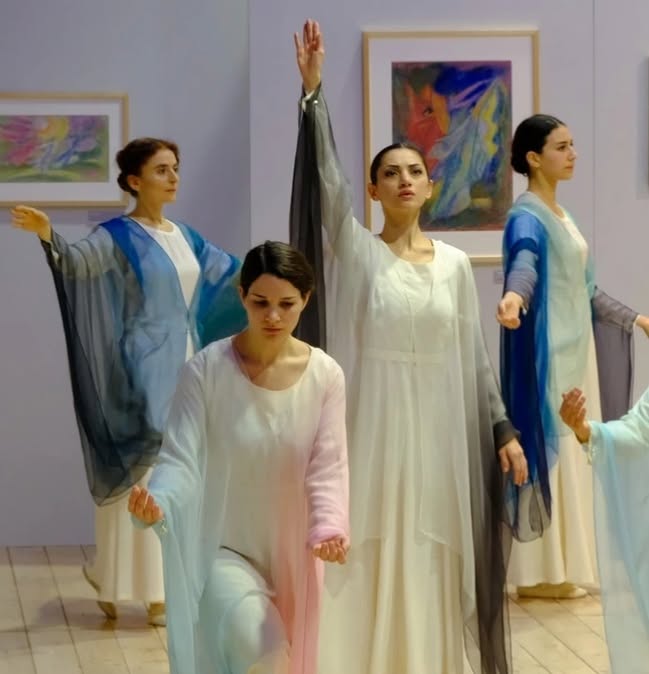
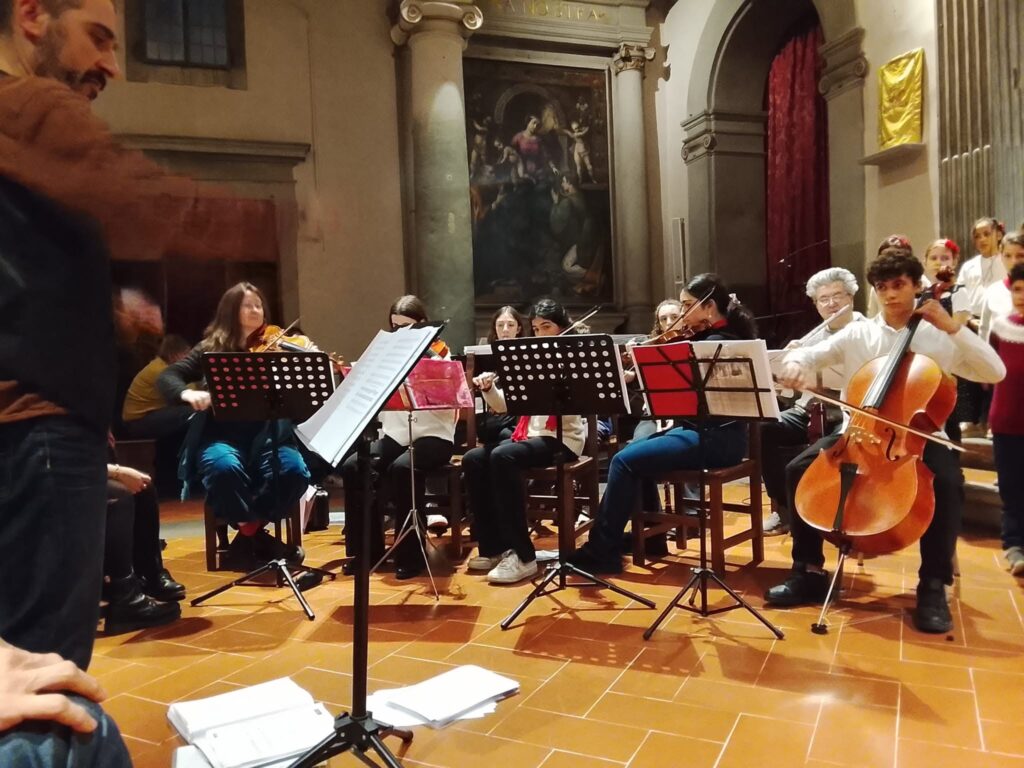
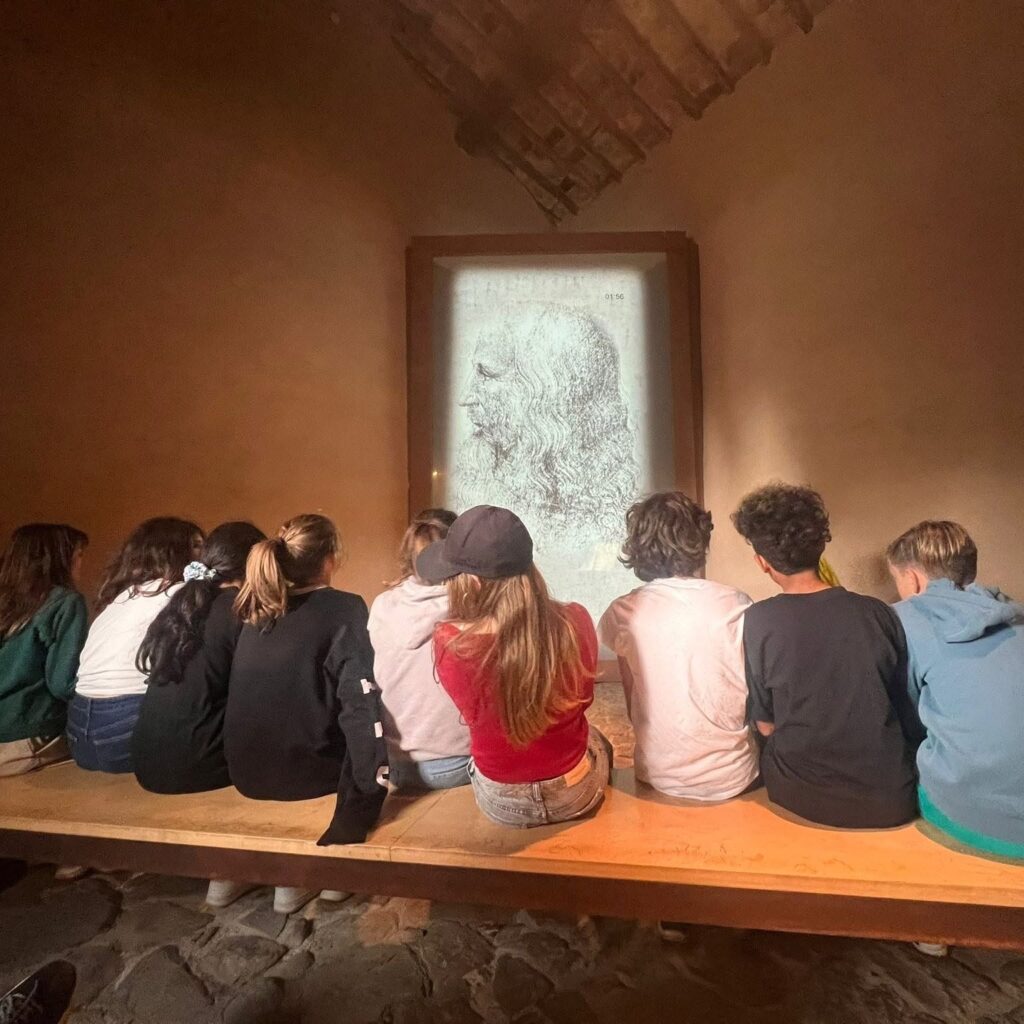
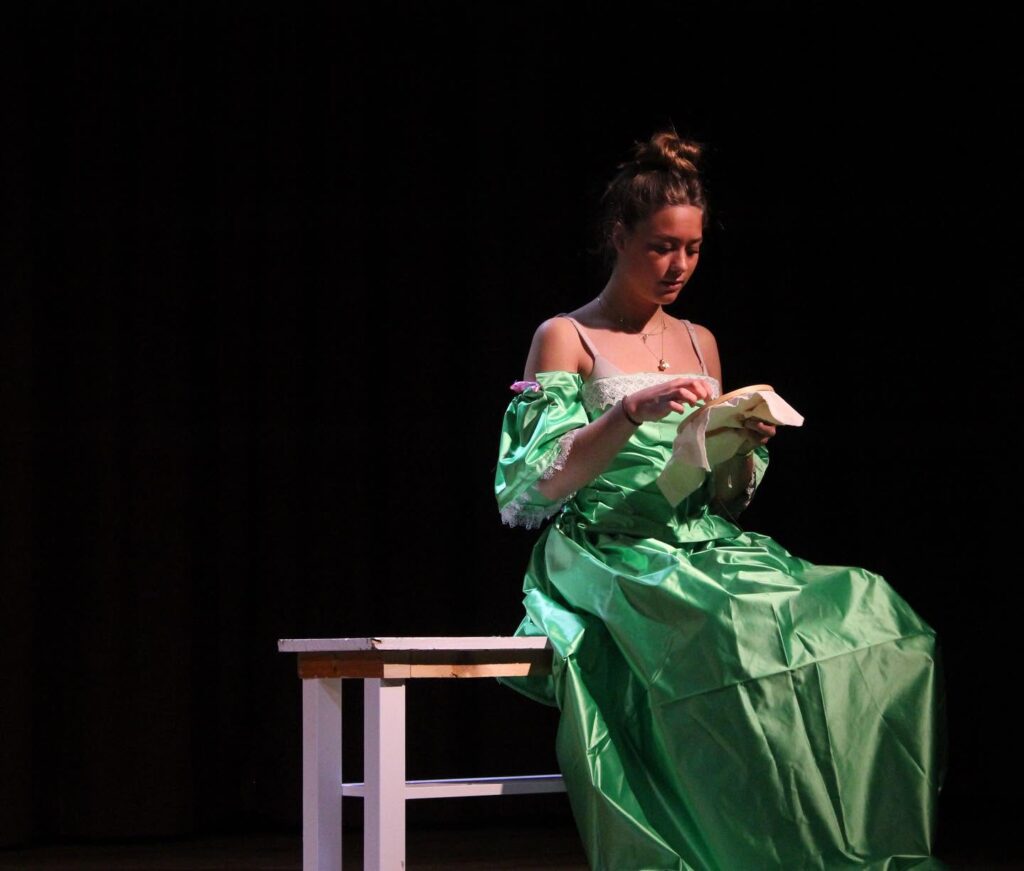
In the Waldorf tradition, the curriculum is designed precisely to accompany each stage of this growth. Classes proceed in “epochs”: a core subject covered intensively over weeks, allowing students to experience it deeply. Thinking, after all, remains always linked to feeling and doing, head, heart and hands, as the pedagogy of every Waldorf school dictates. A morning of math or physics can be followed by an afternoon at the forge or the workbench, where students work with wood and iron, learn to sew, model and sculpt, practice eurythmy and movement. They read the classics – The Odyssey among them – as living tales of the soul and bring them to the stage: theater is one of the central experiences of high school life, a place, as teachers describe it, where adolescents can discover themselves. By lending their voice to a character, a student gives form to a part of themselves that has previously remained hidden and discovers that they can be something other than how they have been accustomed to thinking of themselves. At the play, then, it’s often the parents who are the first to be amazed: they struggle to recognize their child, they see them transfigured, they perceive qualities in them that remained invisible in everyday life.
A journey, by its very nature, always confronts the person undertaking it with something other than themselves, and it is there that the inner journey opens outward. In the classroom, literature is read for its plurality of voices, for the recognition that the same story can be seen from more than one shore; students quickly learn that there is always another horizon. It’s a healthy exercise to look at the plural, perhaps the very seed of an authentic cosmopolitanism.
Very concretely, this openness is a matter of keeping doors open. The global family of Waldorf schools includes thousands of institutions, present on every continent and founded on the same pedagogical roots: a pupil can go to study at a sister school abroad and, in turn, welcome a classmate from far away, whose different perspectives become part of the entire class’s outlook. Wherever they go, thousands of miles away, they find the same educational impulse, each time tailored to the local area yet recognizable.
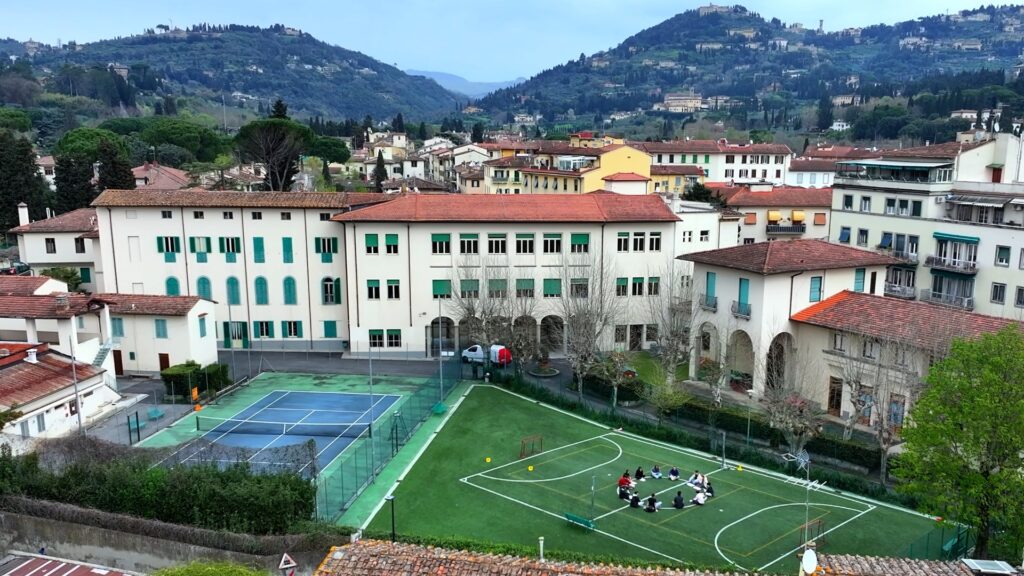
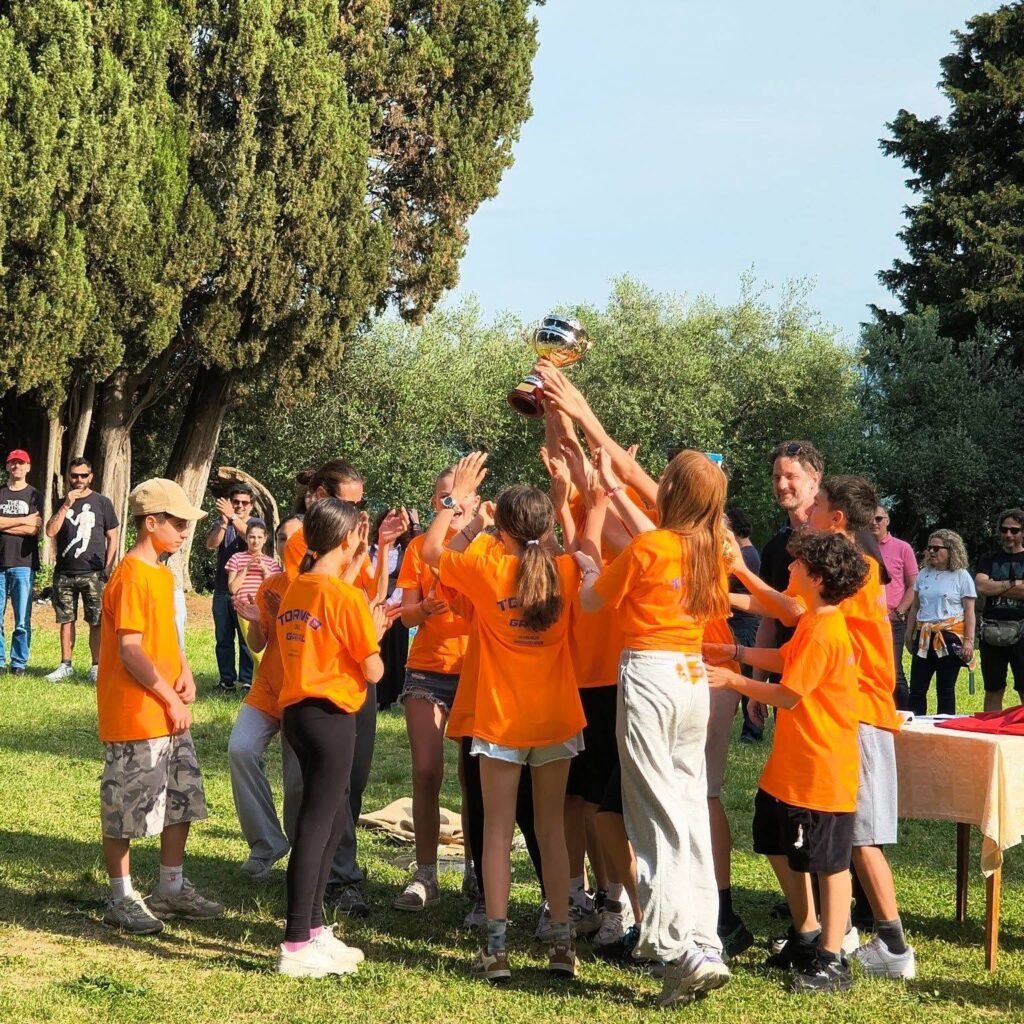
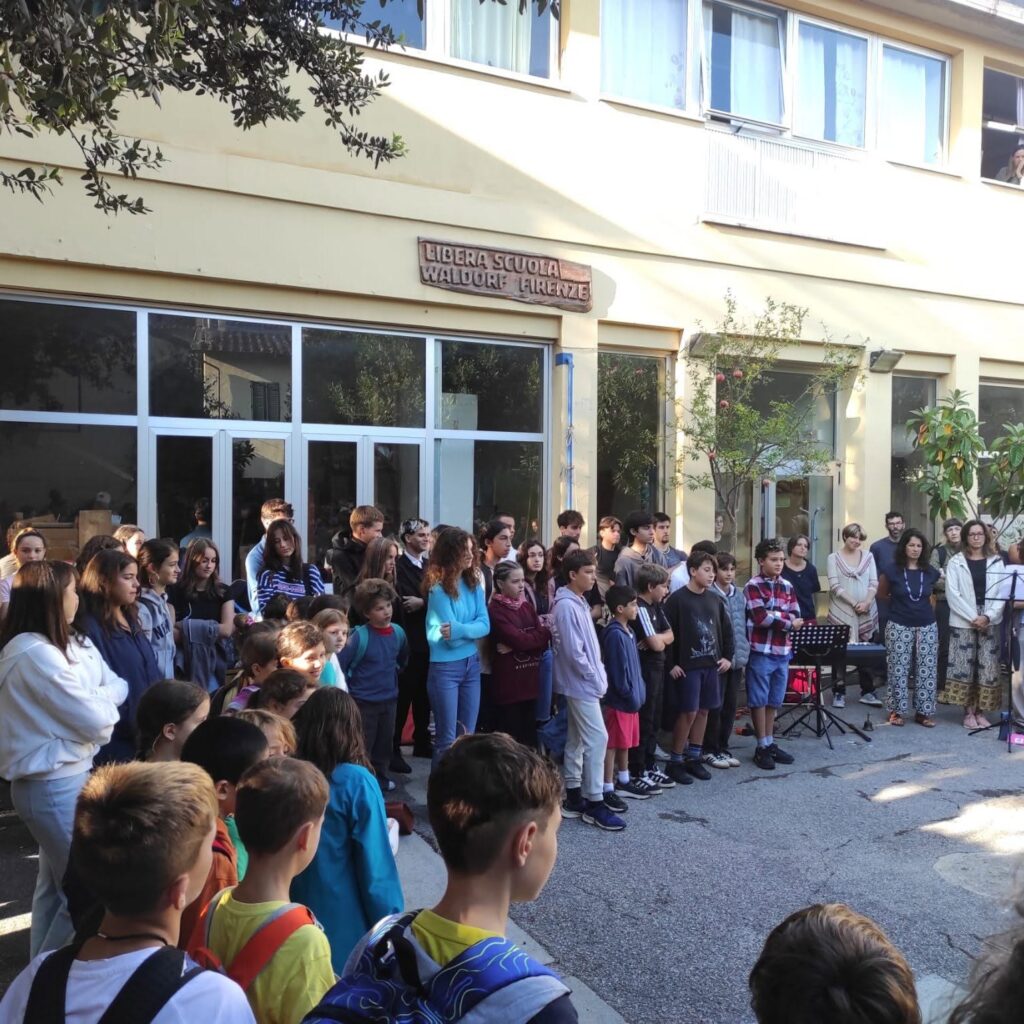
This openness to the world is also found in the Waldorf School of Florence, which for years has collaborated and maintained exchanges with over 30 Waldorf schools around the world and welcomes several international families, whose presence enriches the community.
It is a commonality of feeling and understanding – a “being of one mind” – that makes the school, above all else, a community: a community of purpose in which parents, teachers, administrators, and students recognize each other, united around the same values. It is perhaps the greatest gift a school can wish not only to every studemt, but also to every parent who becomes a regular attendee. And it is precisely the most beautiful wish in the poem. It is uttered by Odysseus: a shipwrecked stranger, himself seeking his own return, he addresses this wish to the young Nausicaa, who has just rescued him on the beach. He wishes her the dearest things one could aspire to – a home, love – and, above all, the harmony of souls: the being of a single thought.
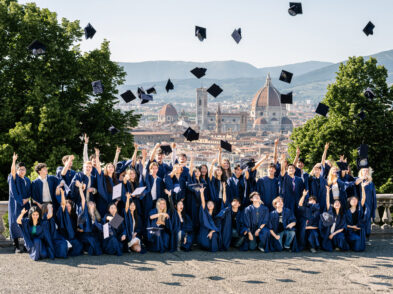
It should be noted, for the sake of completeness, that it is in all respects a recognized school: the high school is private, part of the national school system, and the diploma it issues has the same legal value as that of any state school.
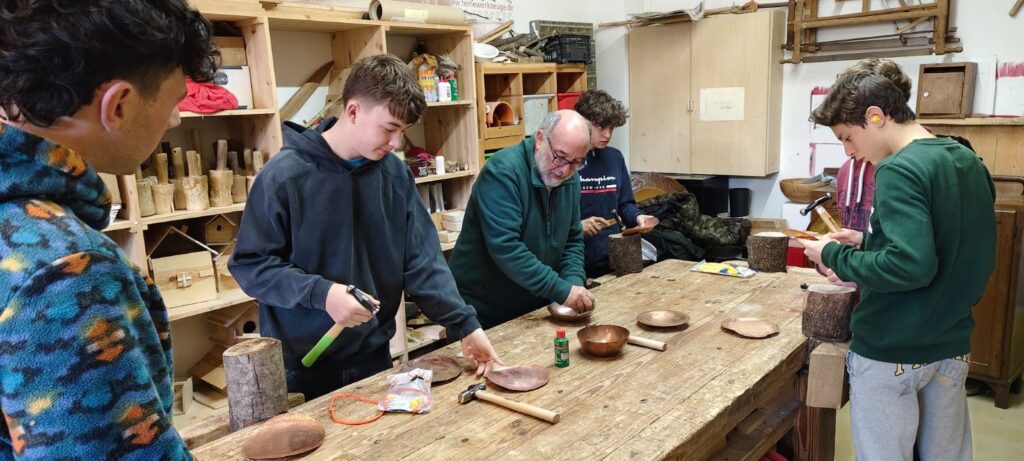
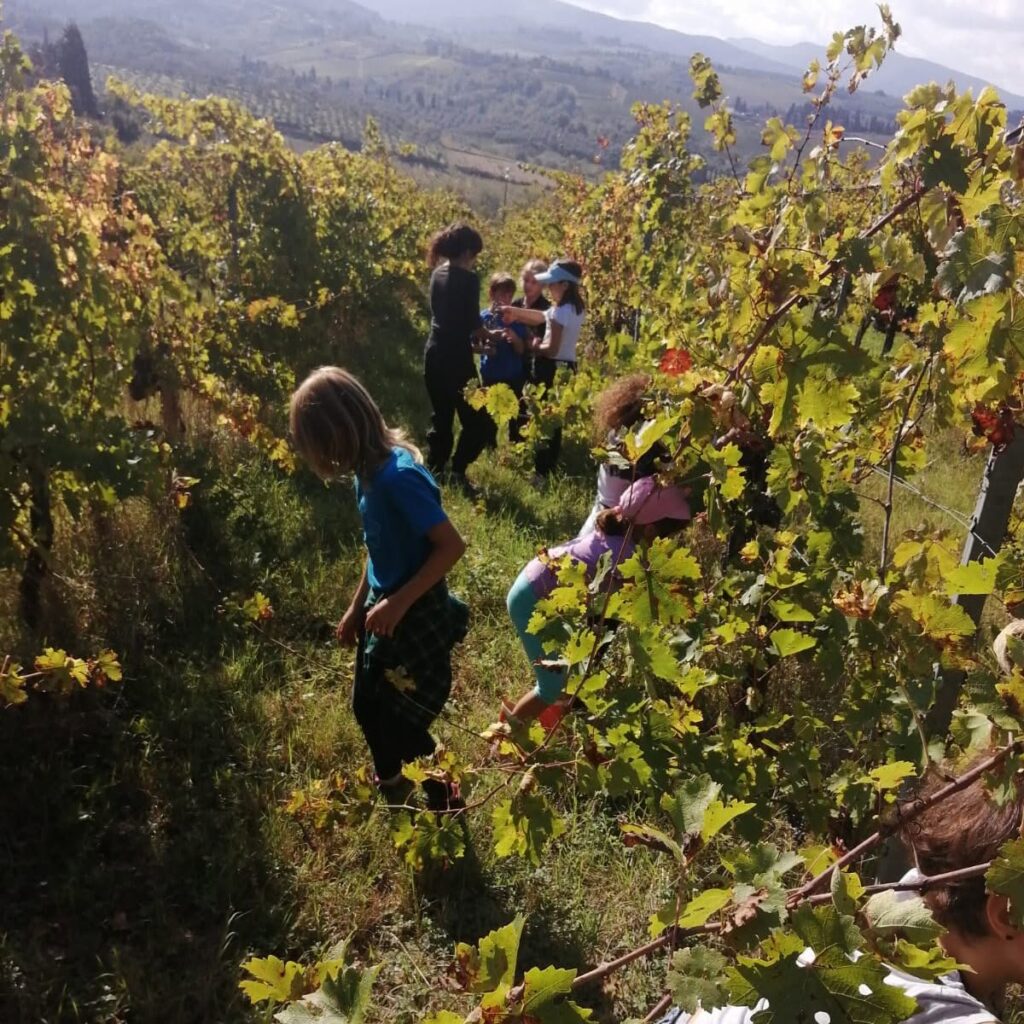
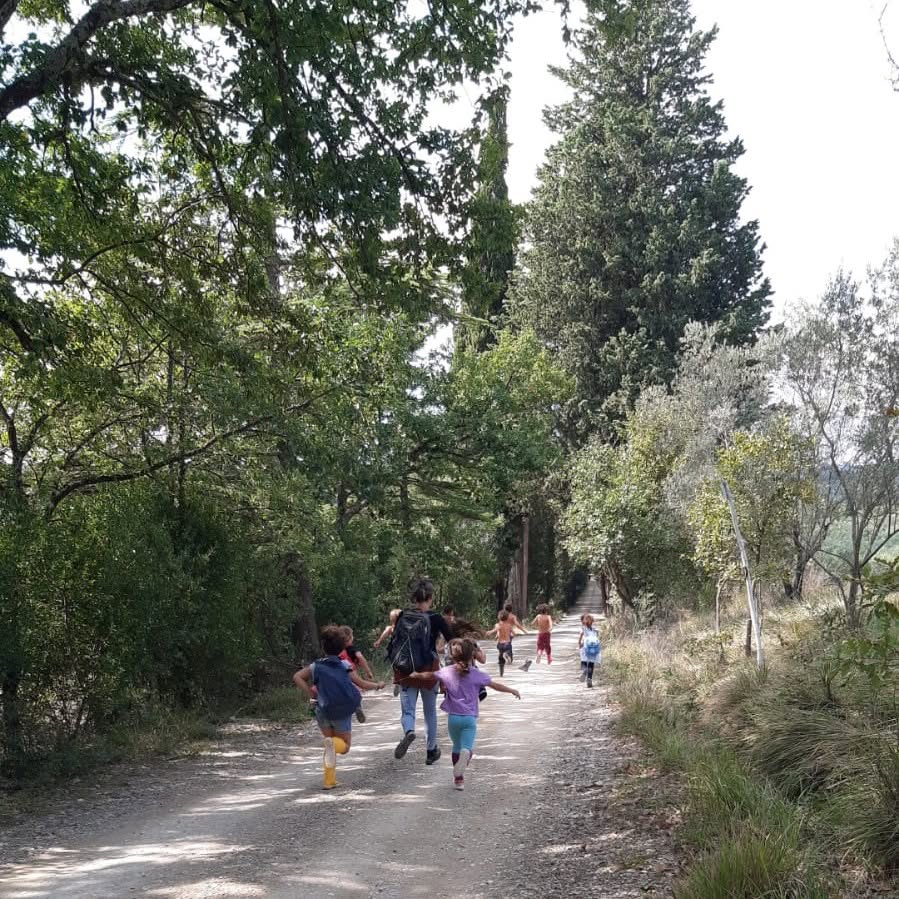
The school has a clear desire to connect with the local area and the opportunities it offers: a reappropriation of natural places as living beings, in which humans recognize themselves as part of a reciprocal relationship. Every year, especially the first year high school students collaborate with a biodynamic farm, where the students participate in fieldwork or woodwork, sharing the rhythm and daily care of the land over a number of days. In Waldorf education, these experiences span the entire third seven-year period – the years of high school – and take the form of actual “epochs”: the agricultural era, which in the early years can become a multi-day stay on a biodynamic farm, or the forestation era, with work in the woods and a direct understanding of natural processes.
At the end of the poem, Odysseus reaches Ithaca, transformed: the journey has made him a different man. And here the words of Konstantinos Cavafy return with all their force: in his poem “Ithaca,” the island’s most profound gift is the journey it sets in motion and everything gathered along the way. This, ultimately, is the school’s ambition for each of its students: to send a young person out into the world enriched by the journey—rooted yet capable of setting out, capable of thinking freely and judging for themselves, who brings back to their own shore the many horizons crossed.