On September 10, 1979, Patti Smith stepped onto the stage of the Artemio Franchi before a sea of 80,000 people. She waved the American flag, twisted the national anthem into a cry of rebellion, smeared dirt across her face, and invited the audience onstage. Years later she would remember it as “like being in church, but with 80,000 people. I felt we were one body, one voice.” It was to be her last performance before a long hiatus.
For Florence’s youth, the concert marked the end of the ‘70s and the years of lead, and heralded in the coming ‘80s with an urgent, raw energy. In its wake, Piero Pelù’s Litfiba began rehearsing in a via de’ Bardi basement (their name being derived from a hypothetical Telex address for the basement: Località ITalia FIrenze via de’ BArdi), while Federico Fiumani changed his upstart band’s name to Diaframma.
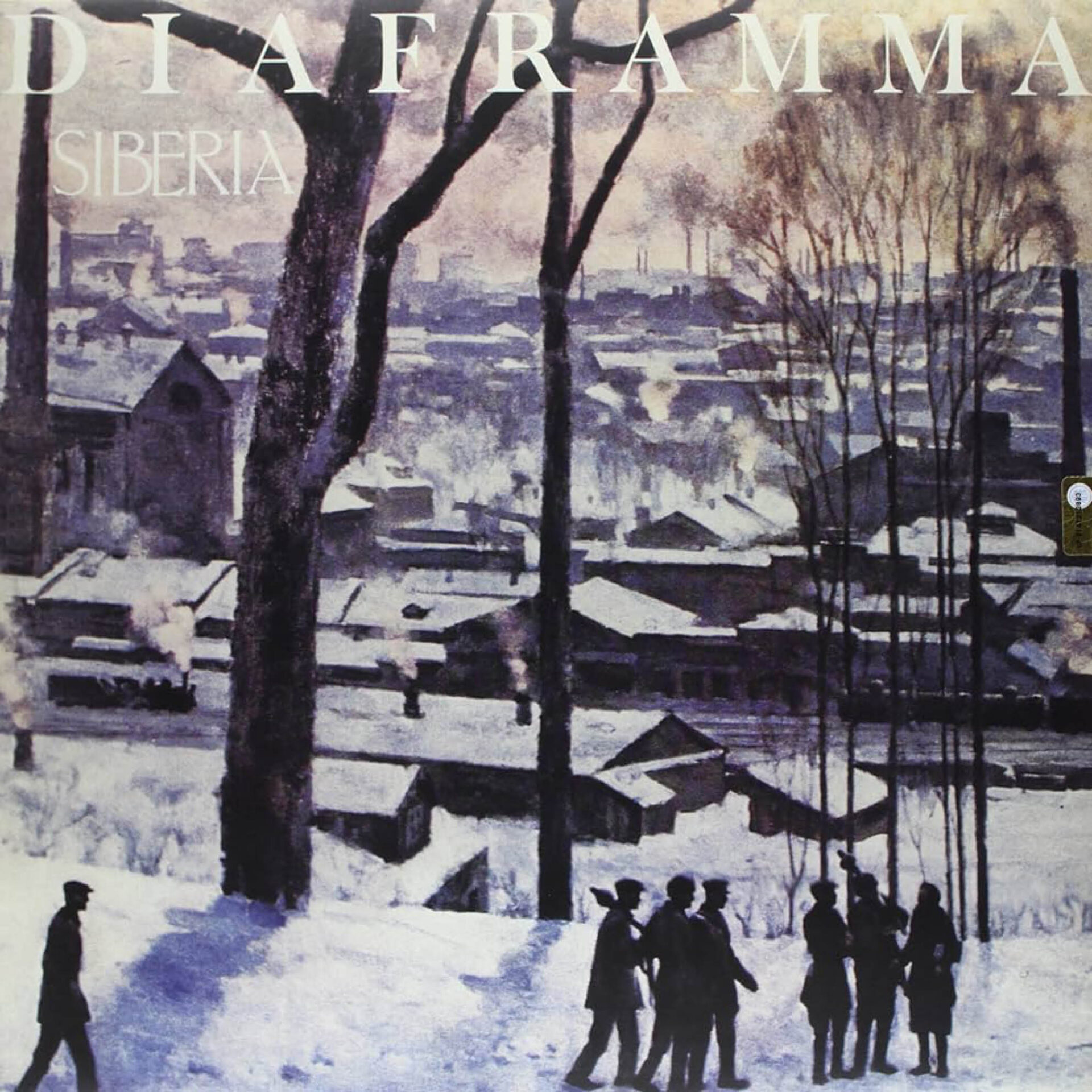
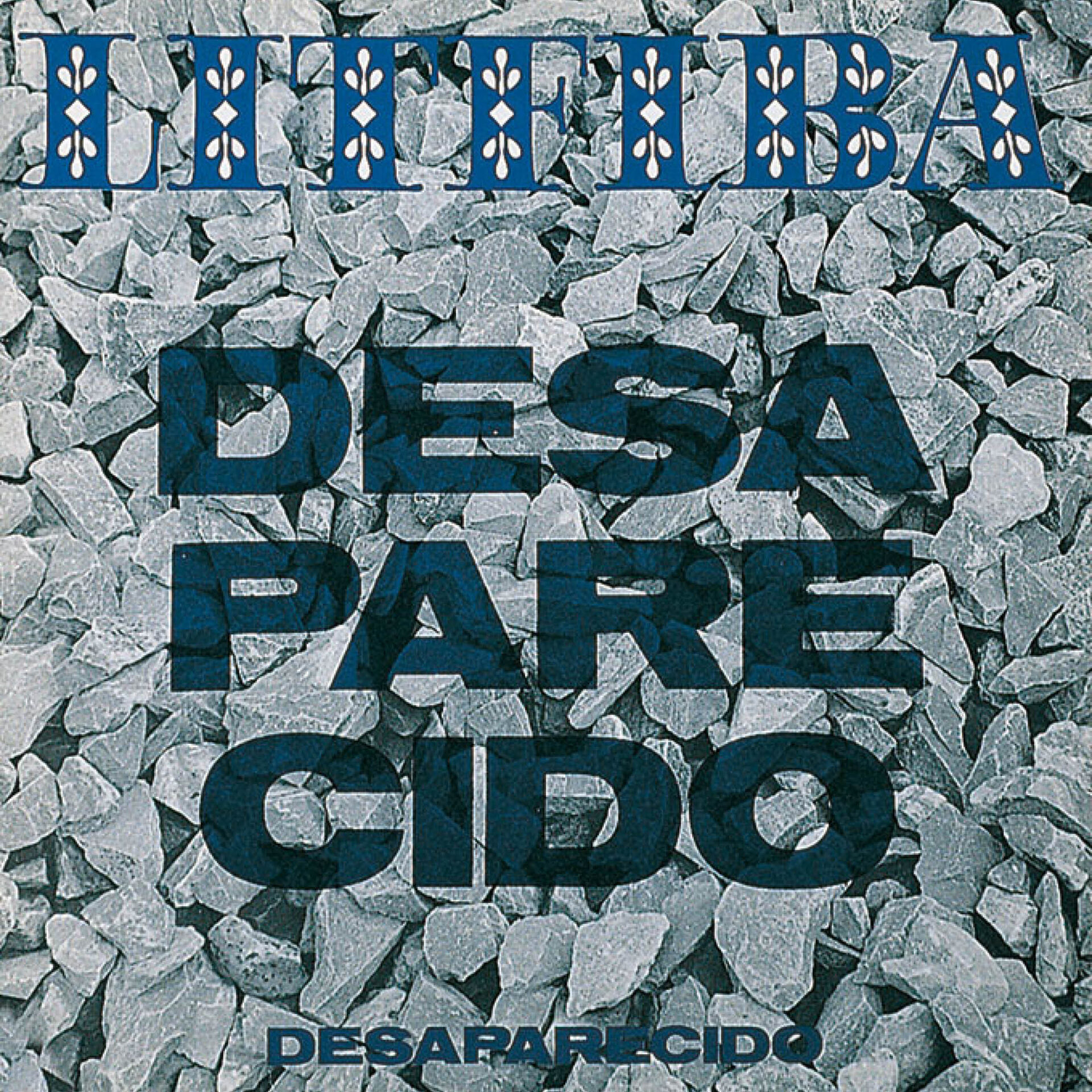
Litfiba and Diaframma, founded almost side by side, embodied opposite poles of the upstart Florentine scene. Litfiba debuted with the LP Desaparecido, embracing rhythm, warmth and Mediterranean sensuality, while Diaframma’s 1984 debut masterpiece Siberia echoed with the claustrophobia and alienation of cold-war Europe, starting with the title track: “oltre il muro, solo ghiaccio e silenzio” (beyond the wall, only ice and silence). The hot-blooded fire and the austere ice of Florentine darkwave would prove to be the scene’s two giants, but for divergent reasons. Their fleeting collaboration Amsterdam pt. 2, with Pelù singing Fiumani’s words, captures both currents.
As local acts Alexander Robotnick, Neon and Pankow leaned into synths and drum machines, Florence saw the rise of a healthy club scene.
Rockoteca Brighton emerged from the basement of Settignano’s Casa del Popolo, where Litfiba first debuted. Banana Moon, opened in the 1970s, hit its stride with a mix of live music and performance art. Tenax had its monumental opening in 1981, a temple of new wave and electronic experimentation where Florentines danced to sets by New Order, The Psychedelic Furs and Afrika Bambaataa, and witnessed homegrown bands share the stage with Cocteau Twins or The Jesus and Mary Chain. Manila hosted Spandau Ballet and Nick Cave. Kraftwerk turned Teatro Apollo into a laboratory of circuitry. Nico, the spectral icon of the Velvet Underground, sang in the Giardini di Porta Romana. Echo and the Bunnymen played beneath the Uffizi Loggia with Neon opening. Florence had become a stop on the global circuit: Iggy Pop, The Clash, David Bowie, Lou Reed, Simple Minds, The Cure, even the Ramones all passed through.
The echo spread through the airwaves. Italy’s radio libere, pirate stations born in the late ’70s, broke the state monopoly and gave young cultures a voice. Stations like Controradio and Radio Centofiori championed underground bands, imported international sounds and connected musicians to their public. For many young Florentines, the first time they heard The Clash, Bowie or the Cocteau Twins was on Controradio, only to see those very same acts step onto local stages. Around these airwaves gathered labels like Contempo Records and I.R.A., pressing local records and distributing them nationally.
The clubs were also meeting points for Florence’s gay scene, which blossomed alongside the darkwave movement. In a city still steeped in Catholic tradition, these spaces offered sanctuary to queer identities, whose fluid and androgynous aesthetics meshed naturally with new wave’s dark glamour. Tabasco, Italy’s first openly gay club, had already opened in 1974. The two scenes grew together, feeding off each other’s energy.
One of these queer identities was Pier Vittorio Tondelli, one of the most influential Italian novelists of his generation who found a temporary home in the city in those years. He chronicled the Florentine scene with the admiration of a seduced provincial outsider from Correggio: “Late at night came the parties that drove Florentine youth mad—fashion shows starting at two in the morning, parties beginning at three, gatherings in clubs like Tenax and Manila that carried on until dawn in a crescendo of decibels, metropolitan rhythms and unleashed dancing.”
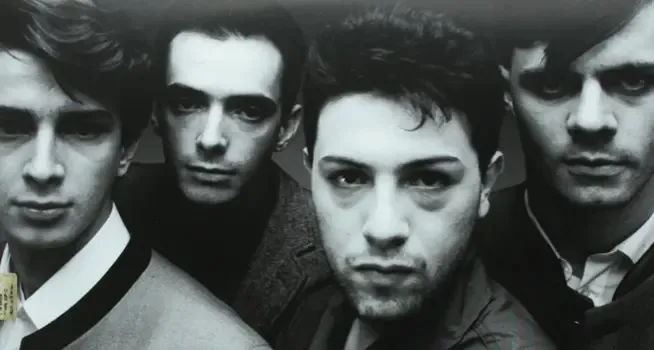
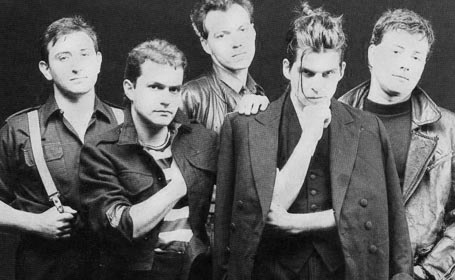
But Florence’s golden moment was built on fragile infrastructure. By the mid-’80s Litfiba pursued mainstream success, softening their edges to reach broader audiences. They would go on to sell over ten million records. Others like Diaframma remained cult favourites, but struggled with lineup changes. The city was hit by the heroin epidemic that devastated Italy in those years. And then came the suffocation of space. Apartments that had once housed students and musicians became B&Bs. Clubs faced noise restrictions or closure. The cheap, liminal spaces that had nurtured the ’80s underground vanished, replaced by an economy catering to visitors rather than residents.
Florence’s new wave was a miracle of timing: born in the wake of Patti Smith’s incendiary communion, nurtured by clubs and labels, deepened by queer and artistic cross-pollination and expanded by international exchanges. As Pelù later remembered: “We were a little navel in this shitty world, and we didn’t give a damn about Reaganite hedonism or television. We lived to get out, to be together, to meet each other.”
Essential listening
Diaframma – Siberia LP
Litfiba – Desaparecido LP
Alexander Robotnick – Problèmes d’amour
Neon – Rituals LP
Pankow – Throw Out Rite LP