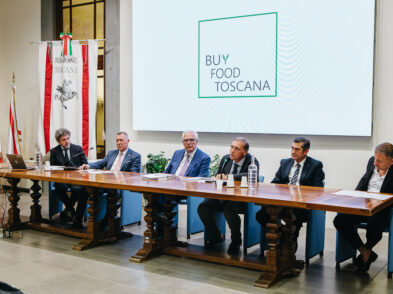
The fifth edition of Italy’s Festival of Regions ended in Florence today with the signing of the Agenda di Firenze, a shared document setting out priorities for Italy’s regions and provinces in the months ahead.
Hosted by Tuscany and organized by the Conference of Regions and Autonomous Provinces, the three-day festival brought regional presidents and national government representatives together to discuss the relationship between regional authorities and central government as well as the challenges facing the country.
The Agenda di Firenze is intended not as a final statement, but as a starting point for further dialogue and coordinated action. It draws on the administrative experience and knowledge developed across Italy’s regions to identify common priorities and encourage closer cooperation between institutions at every level.
“This Agenda will be a benchmark for the work of the regions in the coming months,” said Tuscany’s regional president, Eugenio Giani. He called for a new phase of cooperation in a complex political and economic climate, with regions seeking adequate resources to address shared challenges and putting forward proposals to the national government and parliament.
The priorities identified in the document span digital transformation and public administration reform, including investment in public-sector staff as well as regional competitiveness, sustainable development, climate change, urban regeneration and community resilience. Other areas include mobility, social inclusion, education and training, employment, healthcare, sport and culture.
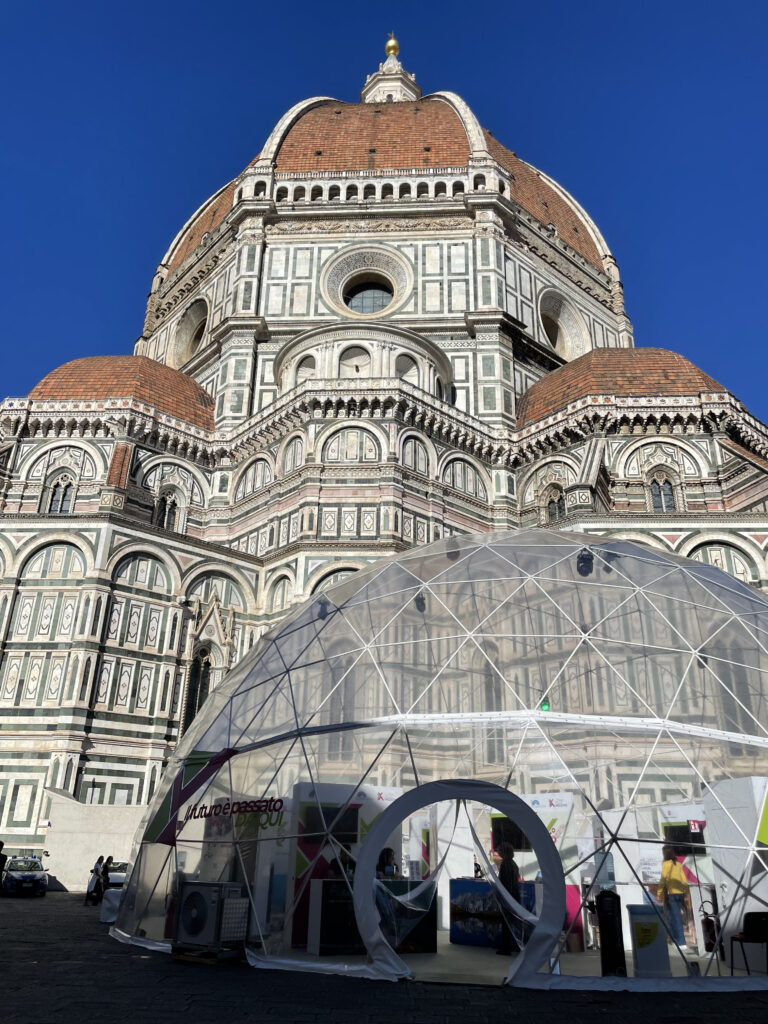
The festival, held under the title The Future Has Passed Through Here: Regions at the Centre of a World in Constant Change, also marked the first time that the Conference of Regions’ commissions held their working meetings as part of the event. This brought technical discussions on key policy areas directly into the festival programme. Topics included strengthening Italy’s national health service and local healthcare provision, the environmental and energy transition, employment and youth training, the challenges facing inland and mountain areas, and demographic change.
Alongside the institutional meetings, the Villaggio delle Regioni turned three central squares into exhibition and meeting spaces showcasing the identities, cultures, sustainability initiatives and specialist industries of Italy’s regions. Piazza del Duomo hosted regional stands, public discussions and an exhibition dedicated to digital innovation. In piazza Santa Croce, visitors could explore food and wine from across Italy, alongside activities focused on sport, wellbeing and civil protection. Piazza della Signoria hosted evening film projections celebrating Italy’s landscapes and cultural heritage.
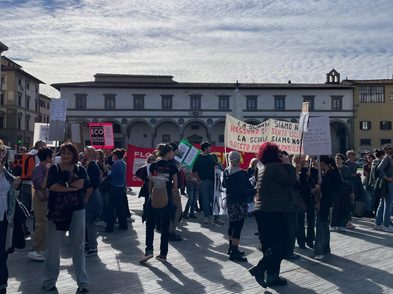
The festival also unfolded against a backdrop of student protests over education policy with demonstrations in the city centre targeting Education Minister Giuseppe Valditara and government priorities for schools.