In the 17th century, a whole new generation of Dutch flower painters would head to the main square at market time with freshly painted still-life scenes tucked under their arms. On a good day, when the wind was right, they could sell small-scale flower paintings at the same price as a real bouquet of flowers. As far as their Florence counterparts were concerned, flower painting was more of a posh profession because still-life works gained traction as soon as the Medici’s love for “scientific paintings” elevated the genre from the lowest step on the art pyramid. Still-life works were just below portraiture, also a Medici preference, considering the marketing they had to do to make their aristocratic neighbours forget they were ruling the city without an ounce of noble blood.
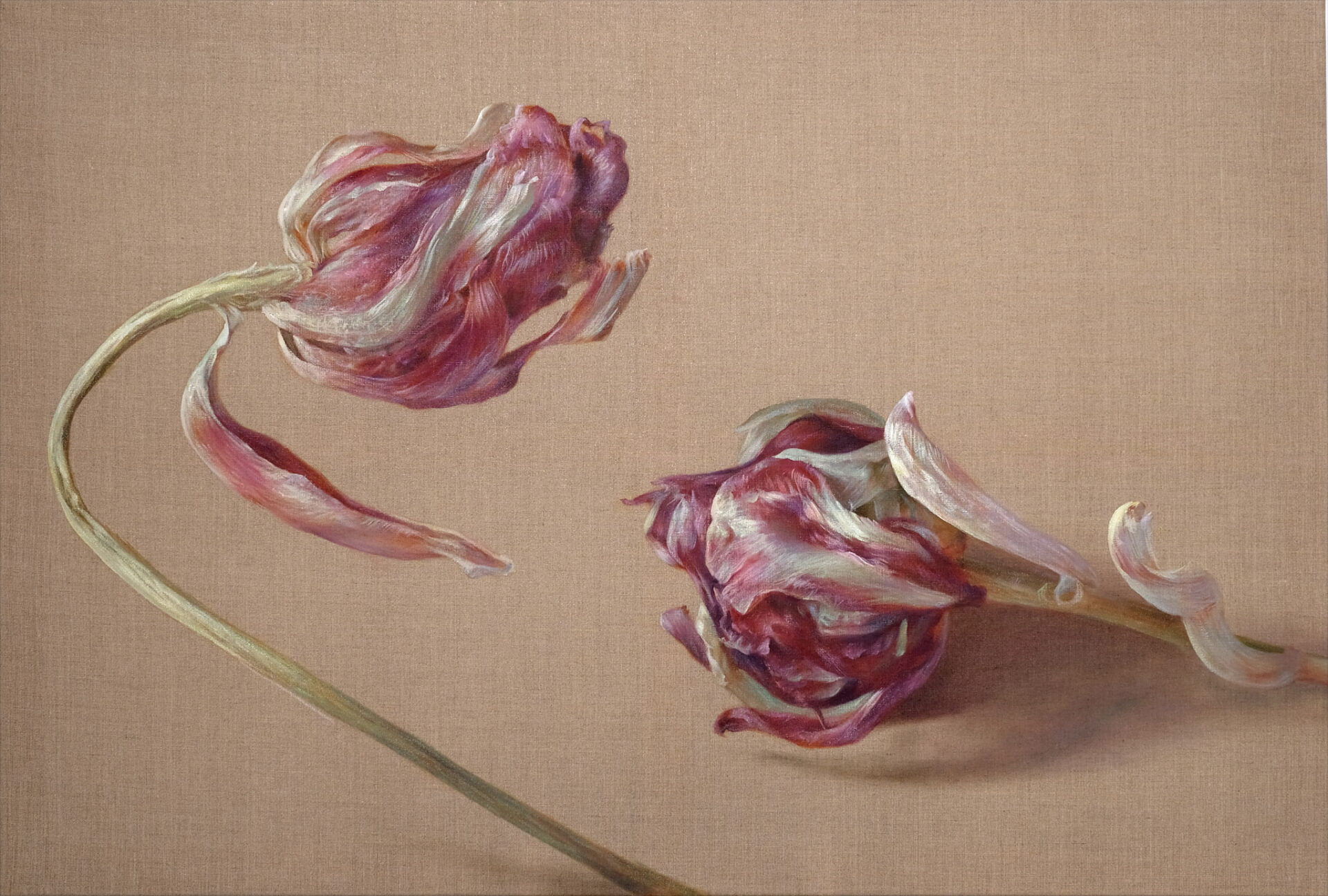

In the minds of courtly commissioners, women artists made good portraitists and flower painters, thanks to their eye for botanical detail, and their ability to perceive a person’s psychological traits easily. But what would they have thought of a painter coming to Florence centuries later to treat flowers the way portraitists treat people? What if there was an artist who, rather than painting “still-life” scenes, decided to portray the “real life” of a flower?
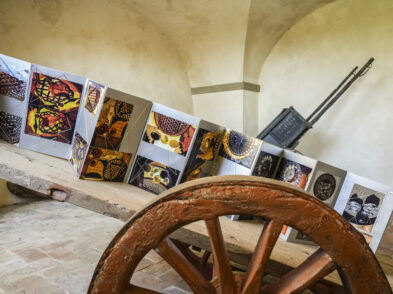
Those wondering what a flower’s life looks like will want to take bus number 11 up to Villa Il Palmerino, hop off at the end of the line and follow the winding creek up to via il Palmerino 6 to view the exhibition Timeless: Marieluise Bantel and Her Flowers. The works on show there reflect the artist’s intention: “I wish I could paint the soul of a flower, the same way a portraitist paints the soul of a person, through what their eyes express, through how they act – their innermost values.”
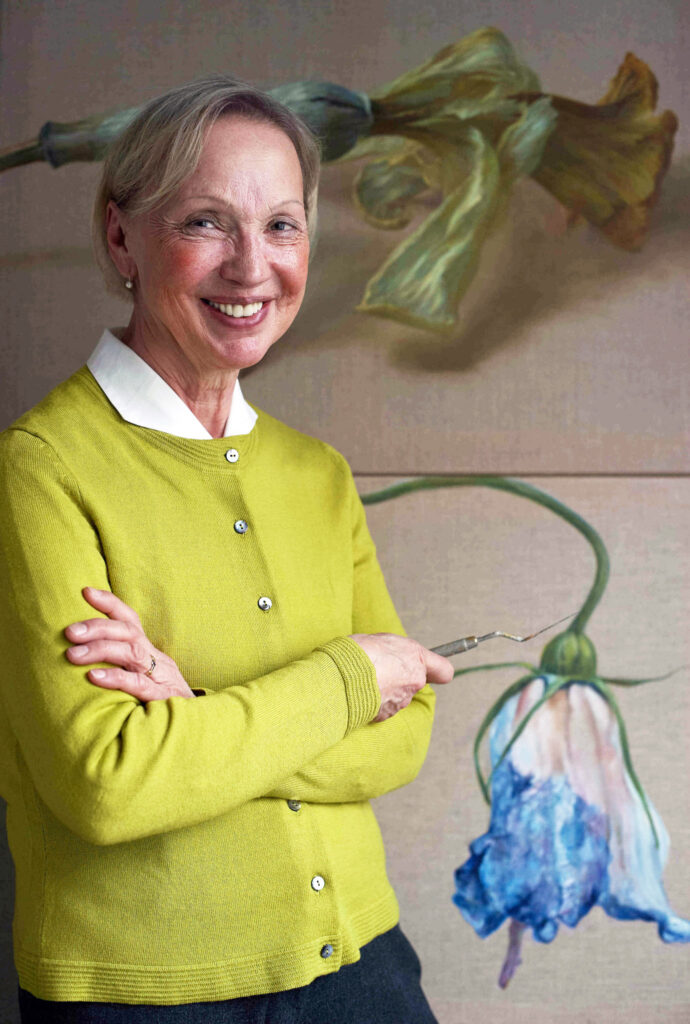
When it comes to values, the artist can tell us a thing or two about them, and determination tops the list. When she sought out her art degree at age 66, she was repeatedly told by professors that flowers do not make the cut if you’re aiming to be a contemporary artist who tackles “socially relevant subjects”. Happily, 11 years have passed since then and 77-year-old Bantel has proven them wrong. Her first shows in Germany have been followed by art exhibitions or international awards worldwide, in Spain, South Korea, England, Belgium and Switzerland, to name a few. Her show in Florence, open until April 12, is everything the science-minded Medici ever dreamed of, but bigger. Her botany lesson is a lesson in life. Flowers bloom and grow, and then they wither and die, and both phases (all phases) deserve to be looked at, wondered at and appreciated. “My flower paintings act as metaphors for the all-embracing nature of life,” Bantel says.
In other words, go to the show. Almost nothing is more socially relevant (or more powerful) than a flower.
This exhibition forms part of a larger three-year programme: A Florentine Garden: Early Women Expats and Artists of Today, organized by Calliope Arts Foundation and Il Palmerino Cultural Association, in collaboration with The British Institute of Florence.