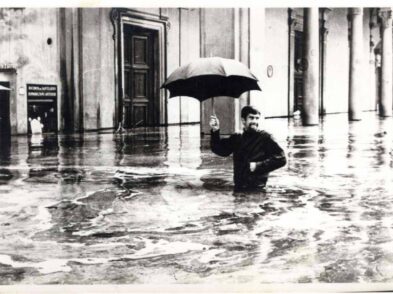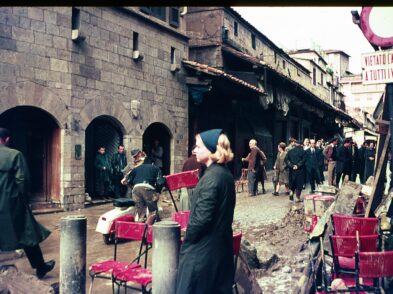
Sixty years after the Arno burst its banks on November 4, 1966, Florence is commemorating the disaster through artistic initiatives that look beyond the devastation to explore the enduring power of memory, care and community. Three exhibitions, Oltre l’argine (“Beyond the Riverbank”) Tender Monuments and The Florence Fragment Collection, approach the anniversary from different perspectives, asking what it means to preserve a city’s heritage and what remains when disaster reshapes it.
Intreccio Creativo, Oltre l’argine at BRAC & CO
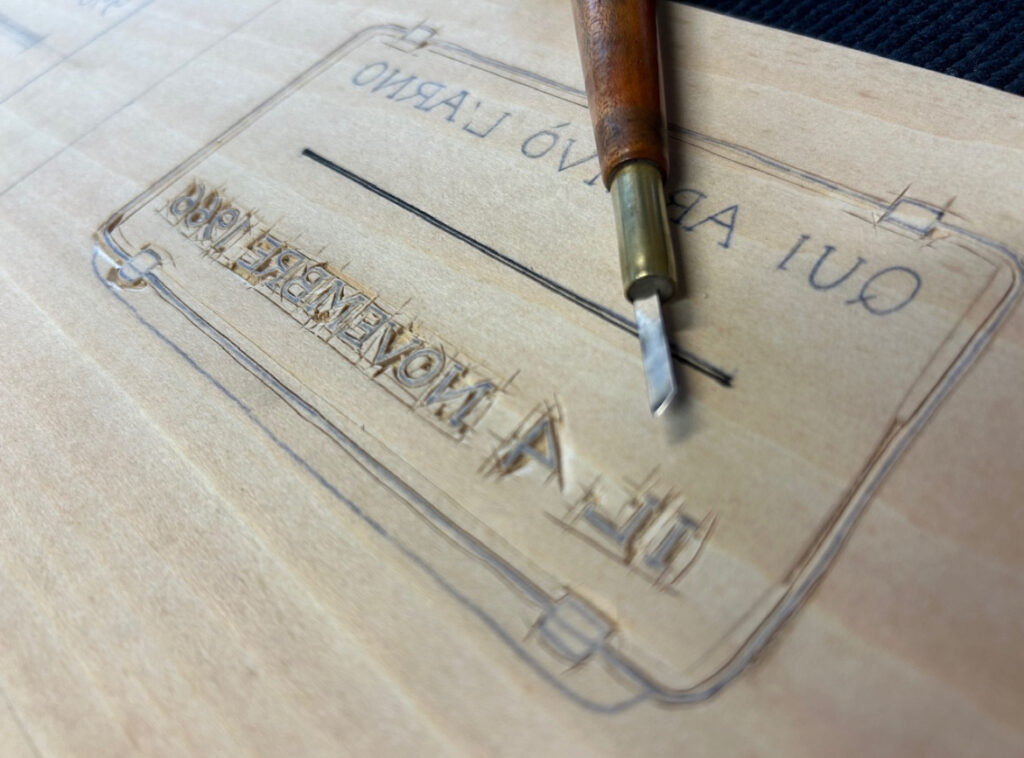
Presented by the artistic collective Intreccio Creativo, Oltre l’argine brings together five artists in a collaborative project that began with the creation of a fanzine collecting personal memories, reflections and artistic interpretations of the flood. The initiative has since grown into an exhibition featuring works in different materials and across artistic disciplines, each offering a distinct perspective on one of the defining events of Florence’s recent history.
Opening on November 4 at BRAC & CO, a new venue at borgo Ognissanti 97R, Oltre l’argine reflects on the traces left by catastrophe: fragments of the past, personal and collective memories, and the gestures of care that make recovery possible. The exhibition and accompanying fanzine will be on view until November 30.
Tender Monuments at Palazzo Bartolini Salimbeni
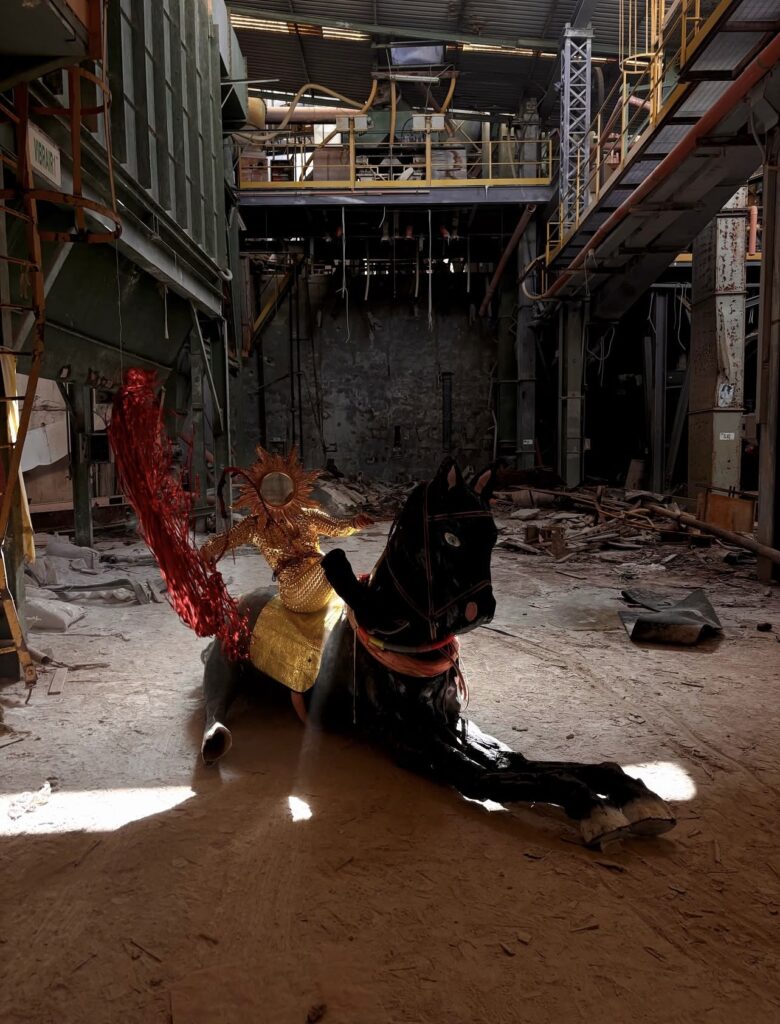
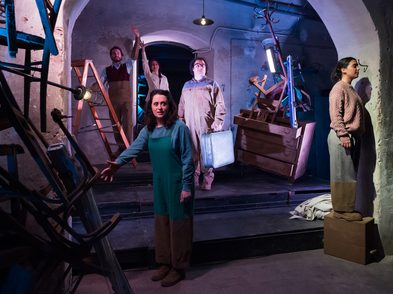
Meanwhile, Tender Monuments brings this conversation into the Renaissance interiors of Palazzo Bartolini Salimbeni, where Irish-Italian multidisciplinary artist Vittoria Colonna and Brazilian painter and textile artist Cristine Balarine explore how cultural memory survives through objects, materials and the people who look after them.
Created between Sicily and Tuscany, their works combine painting, textiles, inherited objects and reclaimed architectural fragments. Worn fabrics, repaired materials and everyday objects become vessels of memory, challenging the idea of heritage as something fixed or untouchable. Instead, preservation emerges as an ongoing process shaped by human relationships, shared histories and acts of renewal.
Colonna’s practice spans textiles, painting, film and performance, exploring memory, femininity and humanity’s relationship with the natural world. Balarine draws on her background in painting, textile art and architecture to bring Florentine Renaissance history into conversation with Indigenous, African and European family histories.
The Florence Fragment Collection at Museo de’ Medici
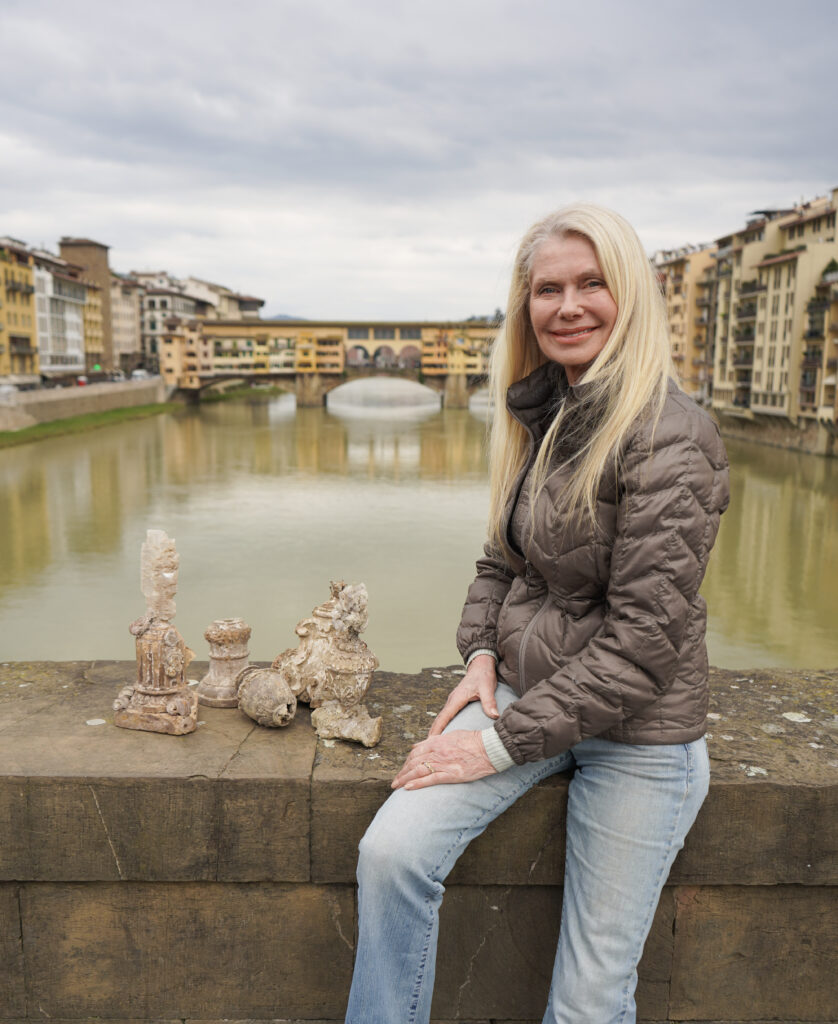
Interi presents The Florence Fragment Collection in the Refectory of the Santa Maria degli Angeli monastic complex of the Museo de’ Medici from October 23 to November 20. The artistic creations are made from the irreparable artifacts washed up in the city. Referred to as a “Modern Mud Angel”, in reference to the volunteers who worked tirelessly to save artistic treasures from ruin, the former Irish model Jean O’Reilly Barlow takes lost church artifacts saved from the 1966 flood of Florence and transforms them into sculptural works of art, embodying a message of What was weathered and worn is now reimagined and reborn. What was lost is now found.
After learning about the history of the pieces, Barlow had the idea to collect and transform the artifacts into art. Once architectural decorations and artistic depictions that adorned churches in Florence, these 17th- and 18th-century fragments had been significantly distressed from the mud and water and were deemed “beyond restoration”. By incorporating rare minerals, precious gems, baroque pearls, fossil shells and fossil agate coral, it looks as though the pieces evolved together over time, creating a historically significant yet contemporary work.
Although distinct in their approaches, the three exhibitions share a common concern: the relationship between cultural heritage and collective responsibility. The survival of Florence after the flood depended not only on the rescue of its artistic treasures, but also on the thousands of people who gave their time and energy to rebuilding the city. Six decades on, these projects revisit that legacy through art, intimating that remembrance is more than an act of looking back. It is also a way of recognizing the people, gestures and shared experiences that allow a community to carry its past into the future.