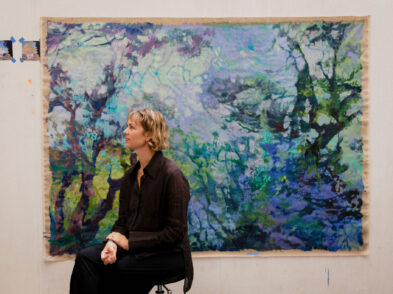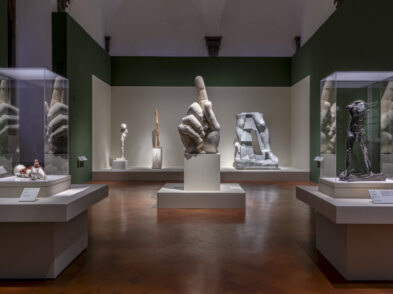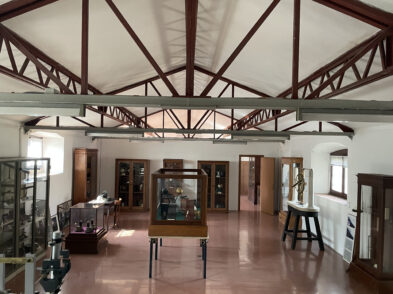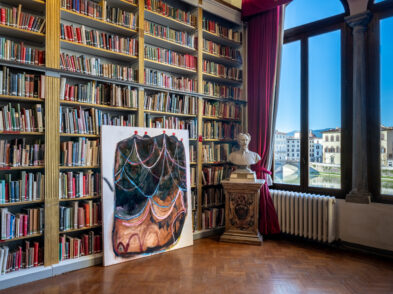
Blasts of colour, movement and depth define the Collezione Casamonti in its new home at Palazzo San Giorgio on lungarno Serristori, where the Arno is reflected in the glass display cases and the collection’s five-decade history unfolds across two floors.
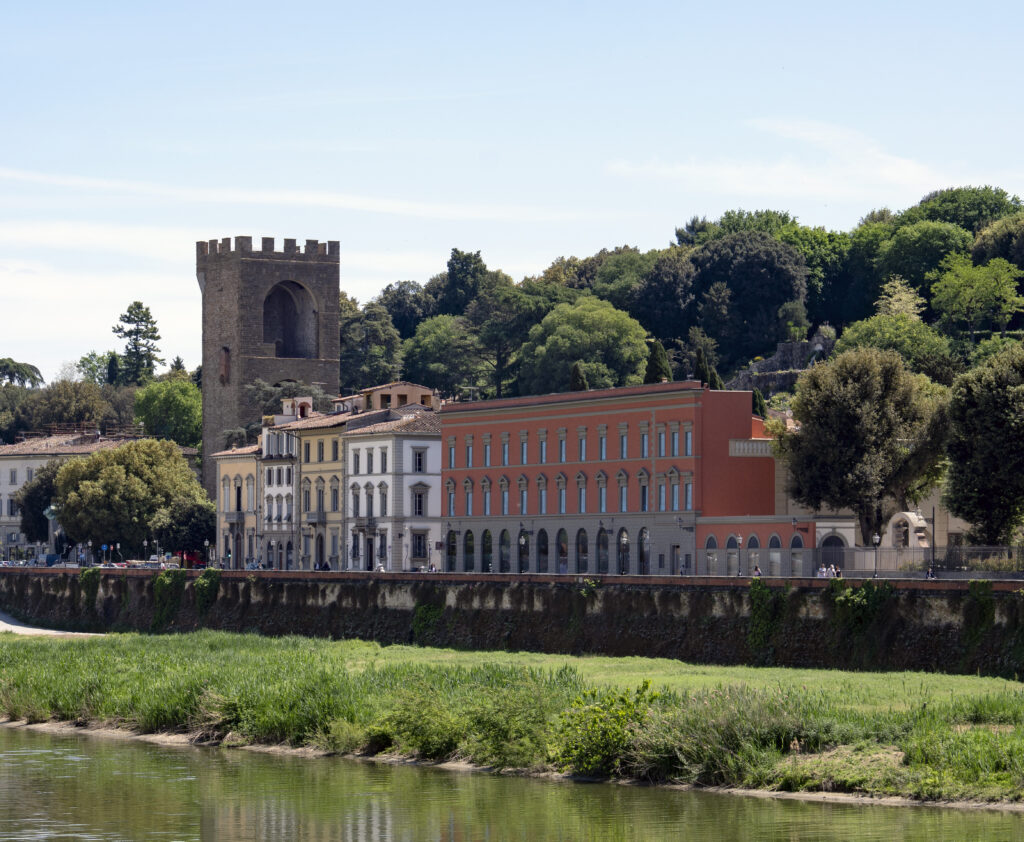
After eight years on the piano nobile of Palazzo Bartolini Salimbeni in piazza Santa Trinita, where the collection was divided into two sections and displayed on rotation, gallerist Roberto Casamonti has brought his holdings together under one roof. The new space has been restored and redesigned by internationally renowned architecture firm Archea Associati.
 Ph. Marco Badiani
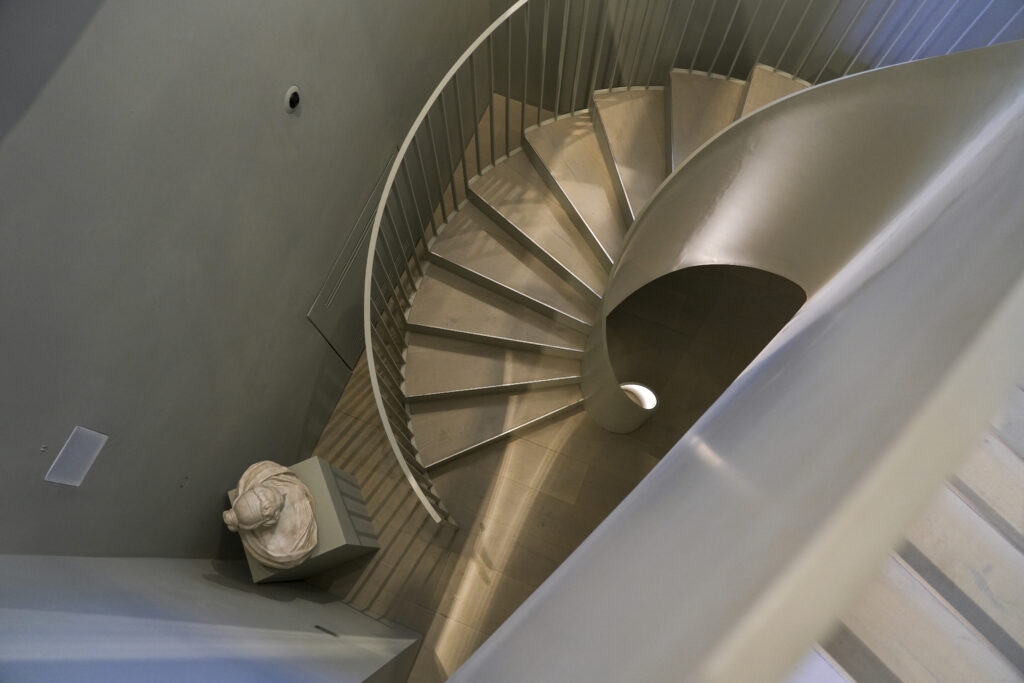
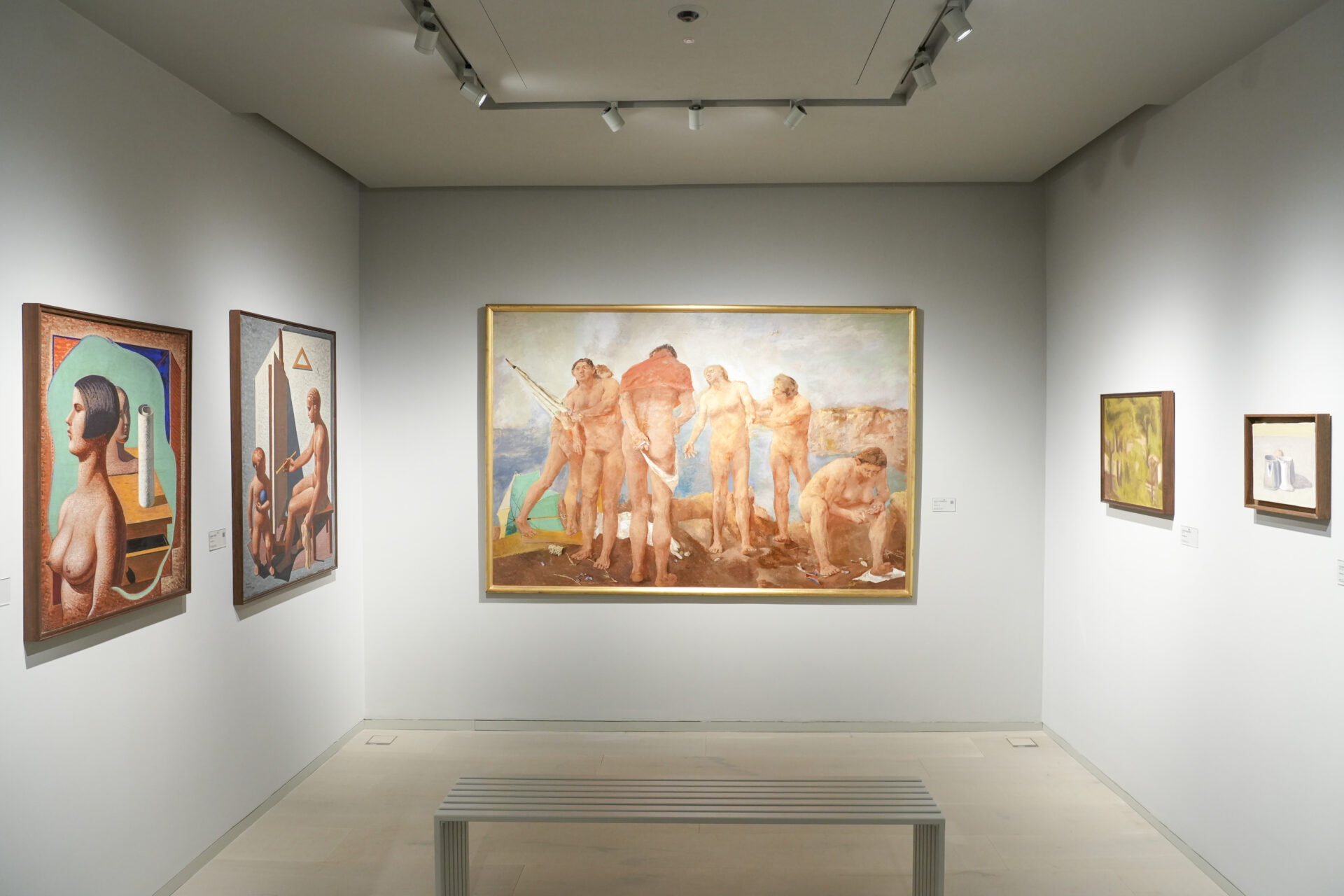
Grey-toned walls and sculptural spiral staircases connecting the two floors provide a restrained backdrop for a sweeping survey of Italian and international art, from the late 19th century to the present. The recommended journey begins in the basement, where early works are arranged along a chronological corridor, moving from the Macchiaioli, the Tuscan group that included rural and military portraitist Giovanni Fattori and the Liberty style of Galileo Chini, before moving through the historical avantgardes.
Futurism, Metaphysical Painting, Cubism and abstraction lead into the artistic experimentation of the post-war period and the second half of the 20th century, encompassing Informal Art, Spatialism, Arte Povera, Nouveau Réalisme, Pop Art, Graffiti Art, Transavanguardia, Video Art and Performance Art. The roll call of artists is equally expansive: Giovanni Boldini, Giacomo Balla, Giorgio de Chirico, Pablo Picasso, Wassily Kandinsky, Salvador Dalí, Max Ernst, René Magritte, Maria Helena Vieira da Silva, Lucio Fontana, Alberto Burri, Piero Manzoni, Andy Warhol, Jean-Michel Basquiat, Keith Haring, Bill Viola, Marina Abramović, Anselm Kiefer, Anish Kapoor and Maurizio Cattelan, just to name a few.
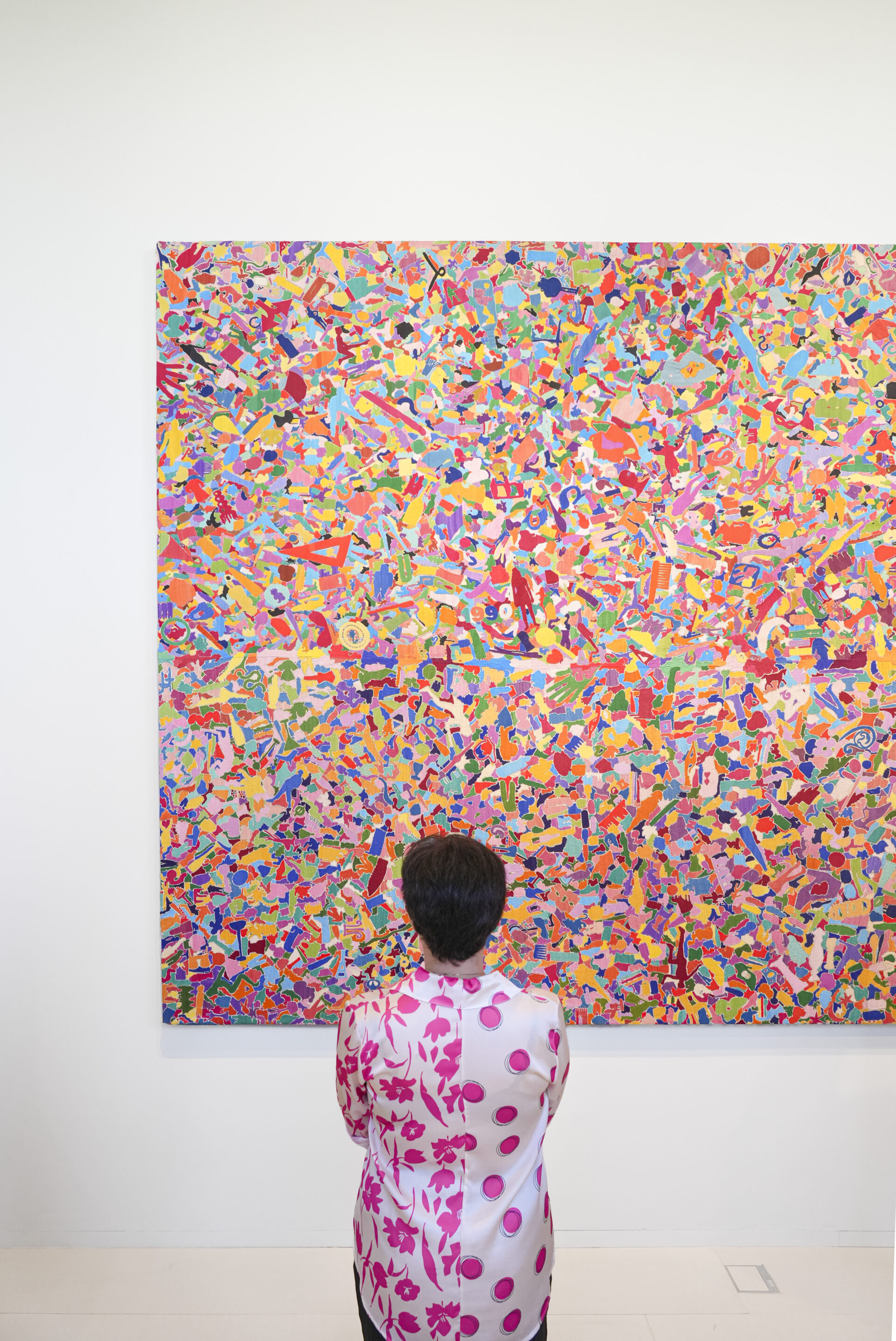 Ph. Marco Badiani
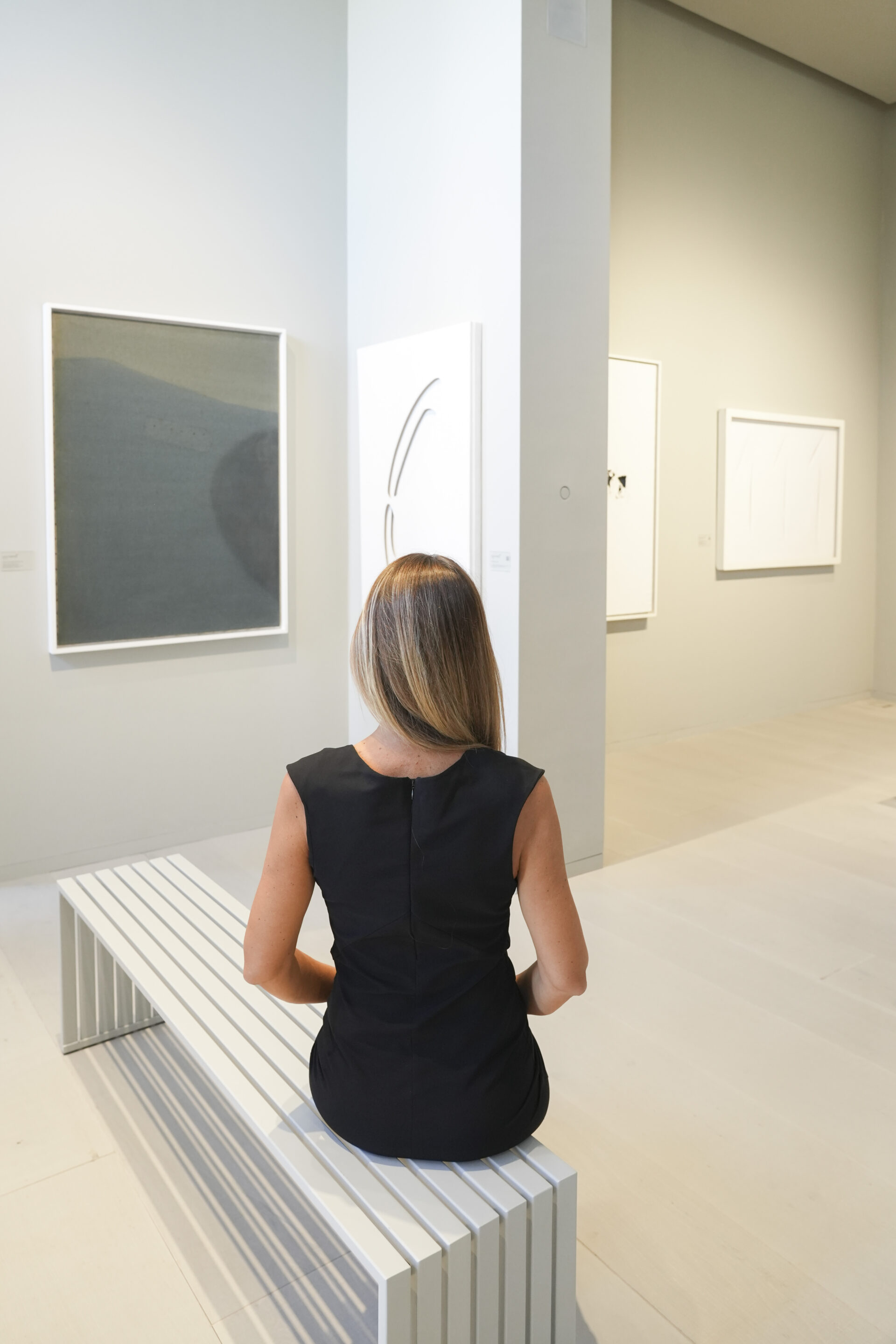 Ph. Marco Badiani
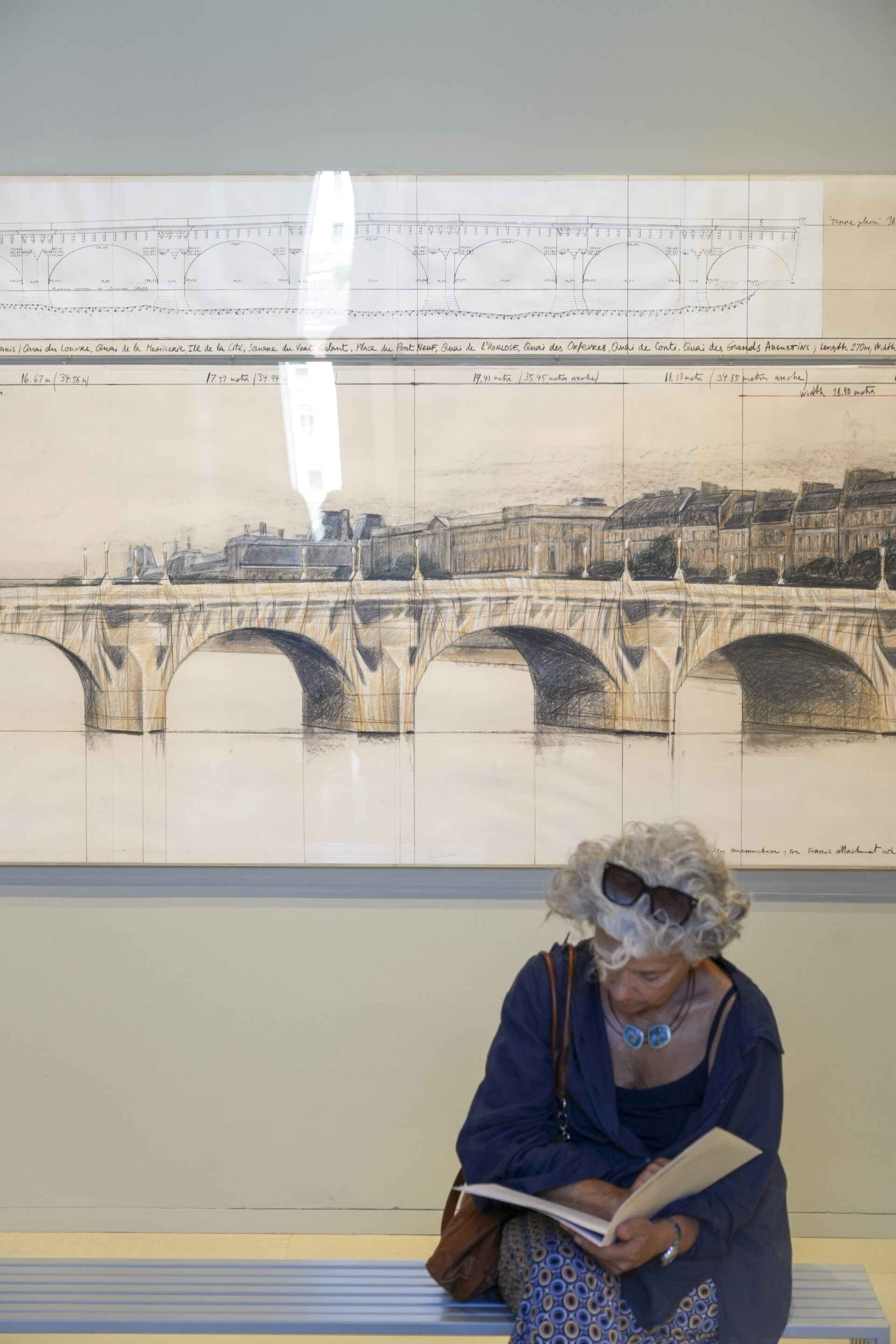 Ph. Marco Badiani
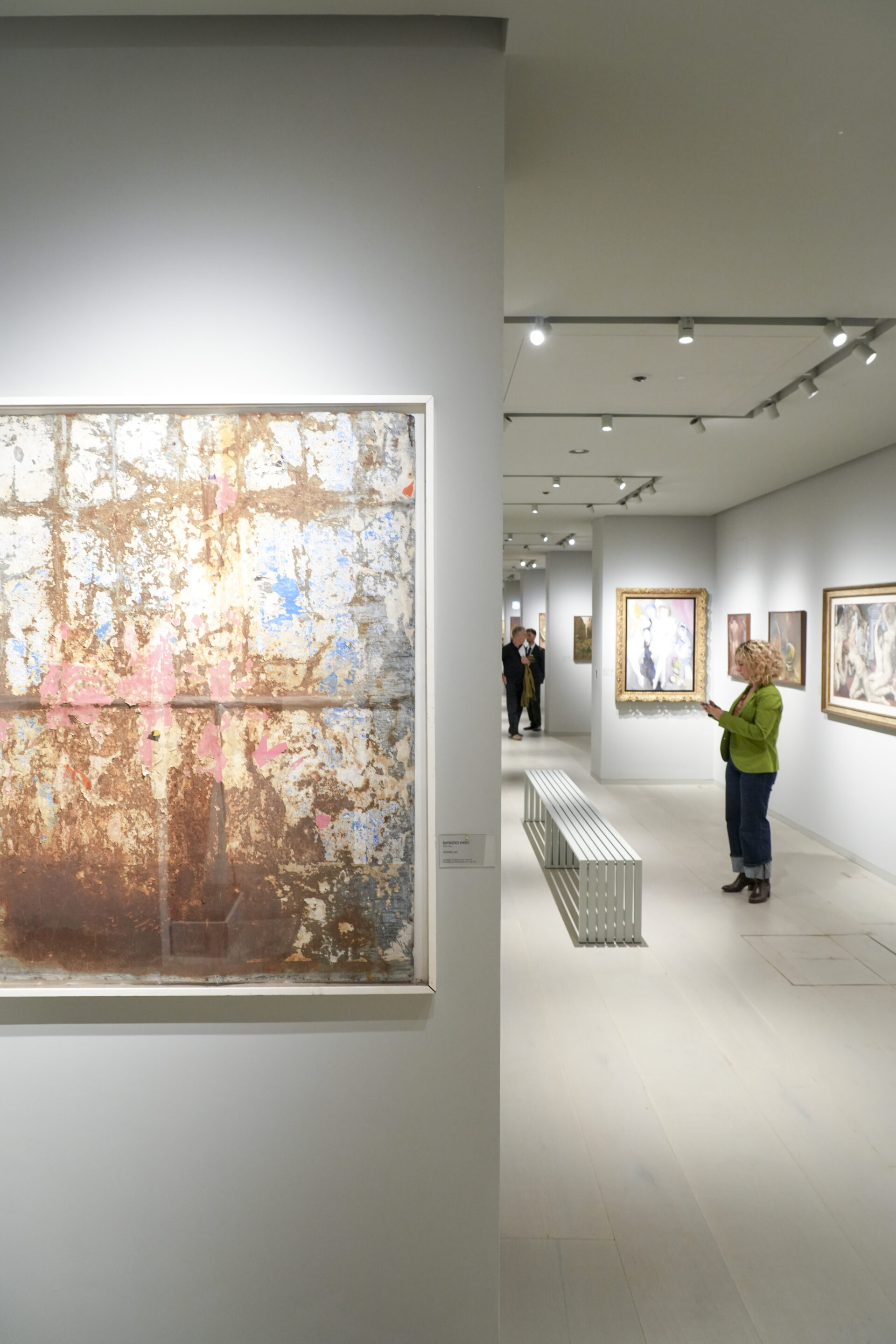 Ph. Marco Badiani
Arte Povera exponent Alighiero Boetti commands attention in the ground-floor hallway, where his immense embroidered Tutto hangs alongside other mixed-media works. Elsewhere, a black-and-white room brings together the slashed canvases of Lucio Fontana and the tactile surfaces of Alberto Burri, creating a striking dialogue between two defining figures of post-war Italian art.
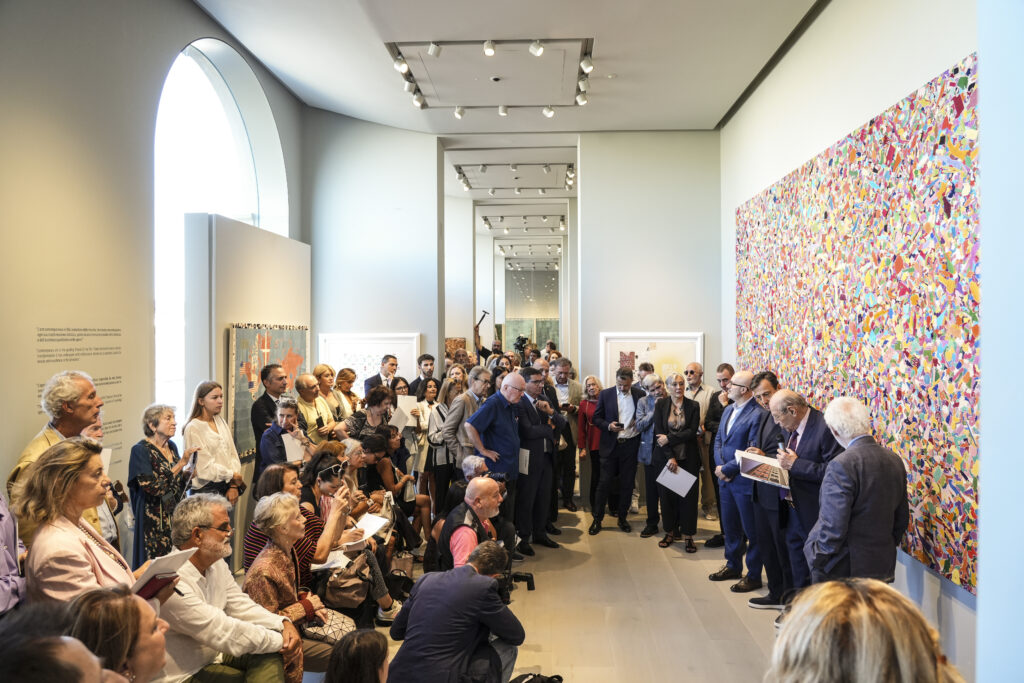
The collection is also a reflection of Roberto Casamonti’s own trajectory. Amassed over more than five decades, it developed alongside his work with the Tornabuoni Arte galleries and through relationships forged with artists, critics and cultural institutions around the world. “The opening of Palazzo San Giorgio represents a moment of great importance for me,” says Casamonti. “Bringing together such a broad selection of works means sharing with the public not only extraordinary works of art, but also a personal and cultural journey that continues to evolve.”
The new venue also marks an expansion of the collection’s public role, with cultural mediation, talks and educational activities planned to encourage visitors to engage more deeply with modern and contemporary art.
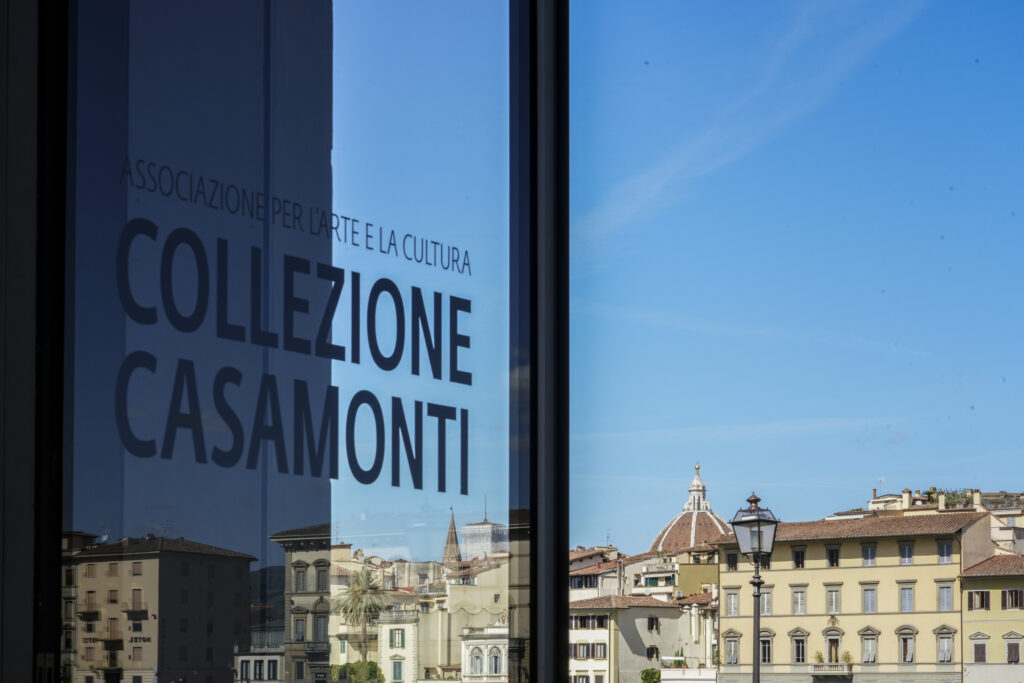
Collezione Casamonti opens to the public on September 28 at Palazzo San Giorgio (lungarno Serristori 17). Open Tuesday–Saturday, 10am–1pm and 2–7pm. Full admission €15; reduced €12; family ticket €40. Guided tours by reservation €20