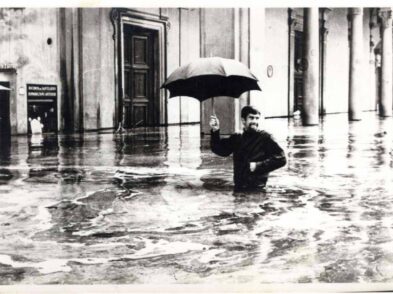
November is a month for remembering. On November 4, 1966, the Arno burst its banks, leaving Florence submerged in mud, oil and debris. Sixty years later, the city is preparing to commemorate one of the darkest moments in its modern history. This anniversary, however, is about much more than destruction. It is a story of solidarity, friendship and the extraordinary determination of ordinary people who came together to help Florence recover.
In this issue of The Florentine, we have been revisiting those days through the eyes of the people who endured them. From the international volunteers who became known as the Mud Angels to the Florentines who organized relief efforts on the ground, their memories remind us that a city’s cultural heritage is only part of what makes it precious. The people and the communities they build are just as important.
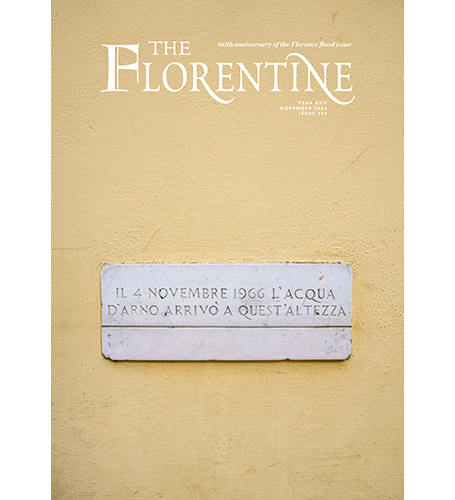
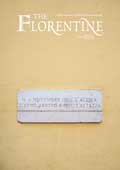
Issue 338 – Learning from the past
PDF Digital edition ONLY – The Florentine November 2026
The November issue of The Florentine celebrates the 60th anniversary of the Florence flood.
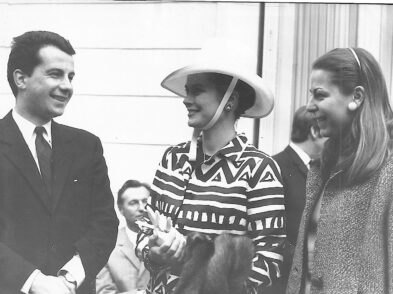
I was particularly struck by my interview with Giannozzo Pucci, who was 22 when the flood hit. He helped coordinate the Scouts’ relief efforts before taking charge of the volunteers who arrived to shovel mud, salvage belongings and get the city back on its feet. What stayed with him was the happiness of working for nothing for a cause that mattered.
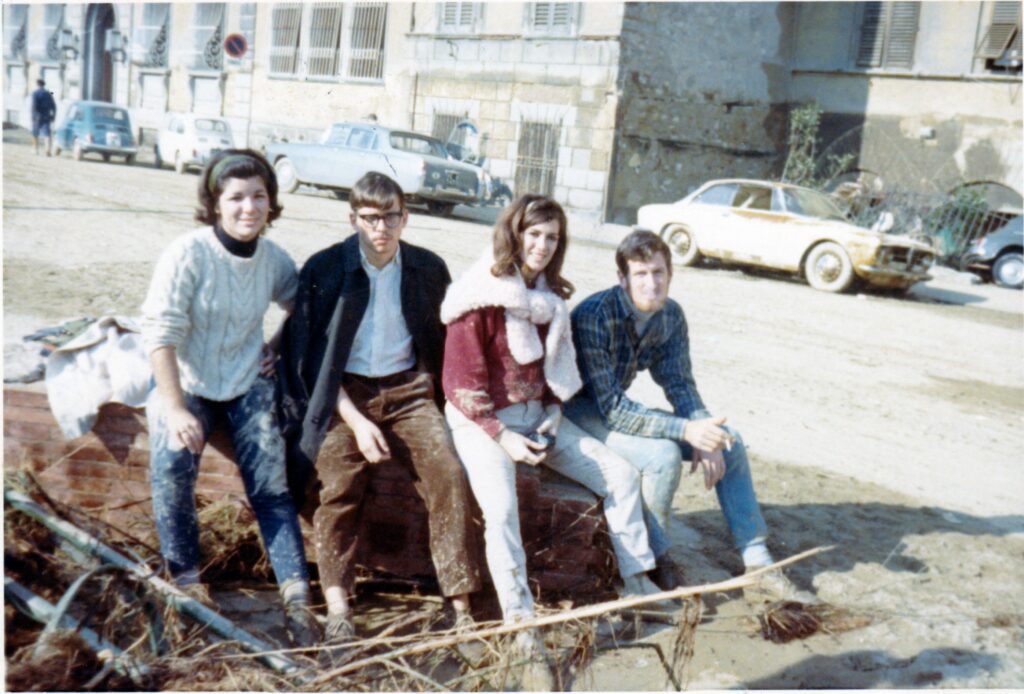
Our coverage also looks across the Atlantic. The recollections of former students from Florida State University and Stanford in Florence reveal how an overseas study experience became something altogether different: an unexpected lesson in responsibility, resilience and belonging. For many, Florence was no longer simply a place to study or visit, but a place to which they felt deeply connected. Six decades on, those friendships endure, and a new generation of students steps up to honour their legacy through community service.
The anniversary has also prompted us to look beyond the human stories to the work of protecting Florence’s cultural memory. The flood transformed the science of art conservation, bringing researchers, restorers and historians together to develop methods for saving damaged masterpieces. Today, exhibitions, archival projects and new tools for identifying heritage sites at risk invite us not only to remember what happened, but to consider how we can better prepare for what could come next.
That future also depends on practical measures. In October, Florence completed a major programme to strengthen its flood defences with removable barriers protecting more than 4.5 kilometres of urban riverbanks. The 15 million euro project, unveiled along lungarno degli Acciaiuoli, is a reminder that the lessons of 1966 must extend beyond remembrance to actually doing. By combining engineering, forecasting and emergency planning, Tuscany is striving to protect its residents and heritage while preserving the character of its historic riverfronts.
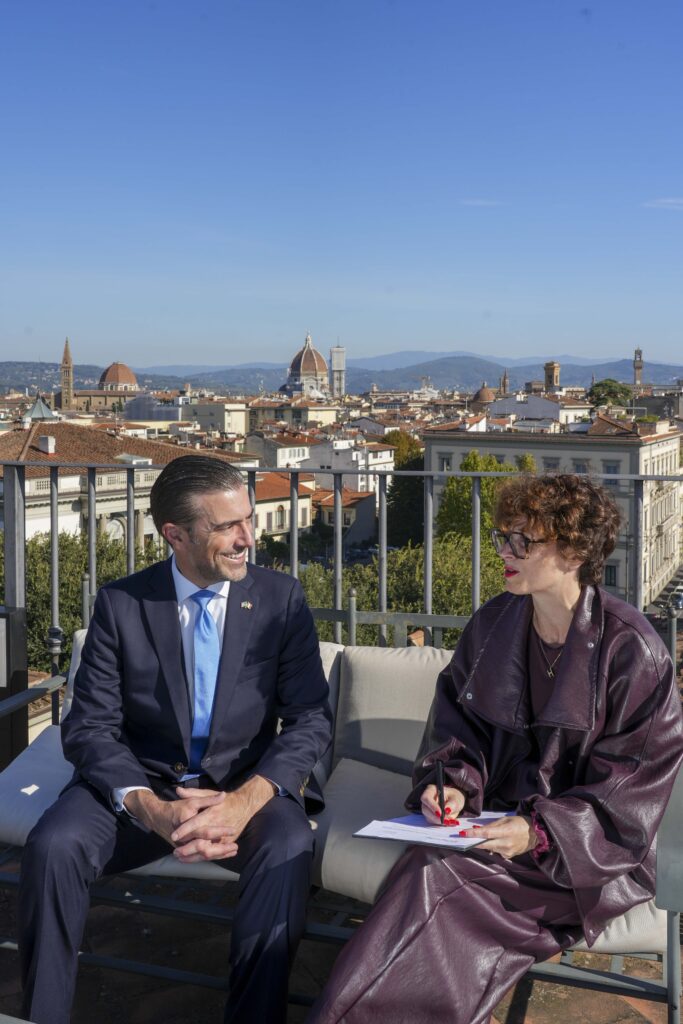
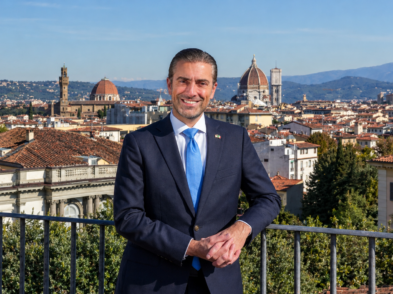
Our conversation with Joe Tordella, the new U.S. Consul General in Florence, brings another dimension to this story. Reflecting on the profound ties between the United States and Tuscany, he speaks of the relationships forged through culture, education and shared history. The American volunteers of 1966 are a powerful reminder that international friendship is not an abstract diplomatic ideal. Sometimes it begins with someone turning up in a pair of muddy boots and asking how they can help.
Elsewhere in these pages, Florence’s past takes a different form in the art of Artemisia Gentileschi. An exhibition at the Museo degli Innocenti explores the formative years the Baroque painter spent in Florence between 1613 and 1620, when she reached artistic maturity, received prestigious Medici commissions and became one of the first women admitted to the Accademia delle Arti e del Disegno. Bringing together more than 50 works, the exhibition offers a chance to look afresh at an artist whose place in art history continues to be reassessed.
If there’s a thread running through this issue, it is the idea that places are shaped by the connections we make with them. We may arrive as visitors, students or newcomers, but it is the relationships we build and the care we show that turn a place into something more enduring. Florence has always drawn people from around the world through art and architecture. The story of the Mud Angels reminds us that what binds us to a city can be far less tangible and all the more powerful for it.
As we mark this 60th anniversary, I hope you’ll join us in remembering the devastation of 1966, but also the generosity that followed. Florence rose from the flood because people, from far and wide, chose to make its recovery their own. That spirit of shared responsibility is as relevant now as it was then.
Meet us here!

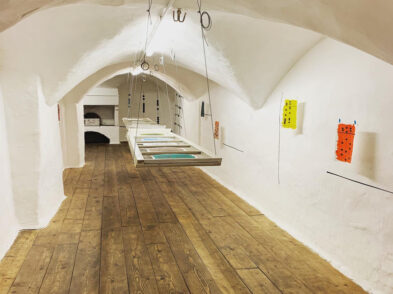
To mark the launch of our November 60th Flood Anniversary Issue, join us for the vernissage of Tender Monuments at Palazzo Bartolini Salimbeni. Includes a live interview with multidisciplinary artist Vittoria Colonna and painter Cristine Balarine.
November 5, 2026
6-8pm
Free event
Palazzo Bartolini Salimbeni
Piazza di Santa Trinita 1
RSVP: press@theflorentine.net