Get 1 year from 27.50 €
Digital and paper subscriptions available worldwide


Photographs by the Neapolitan master are on display until July 14, with an homage to Michelangelo.

This FAQ will answer key questions about the requirements for citizenship by marriage and residency permits for non-Italian spouses of Italian citizens.

Advice on how to vote and a guide of the mayoral candidates
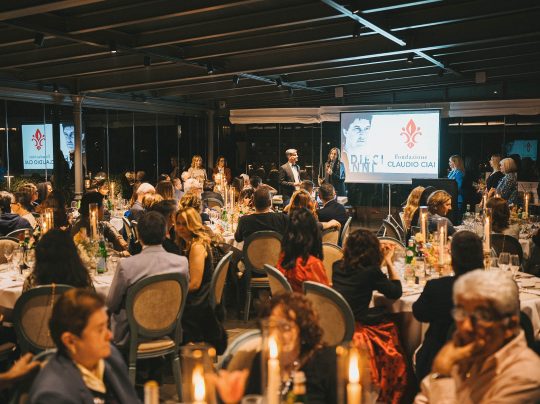
The charity marks its tenth anniversary encouraging social inclusion for people with disabilities.
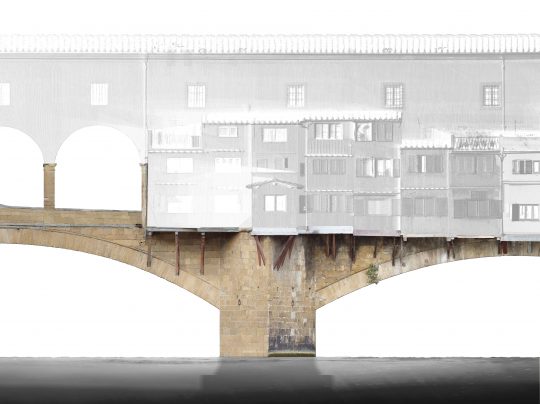
Work to begin in the autumn and continue until 2026.
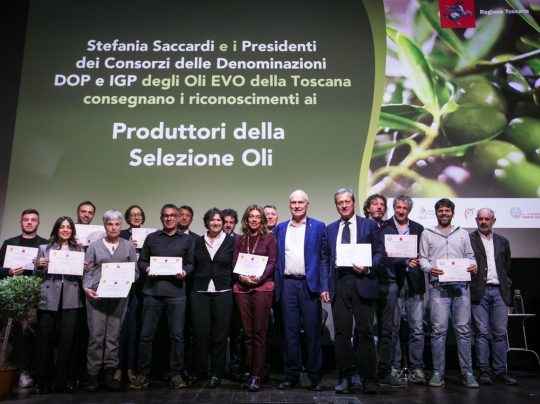
The recent 2024 Selezione Oli Extravergine showcase held at Cinema la Compagnia di Firenze served as an opportunity to delve into various aspects of the olive oil sector, including pressing ...
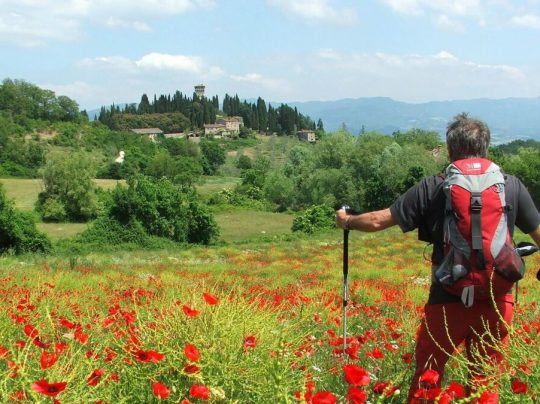
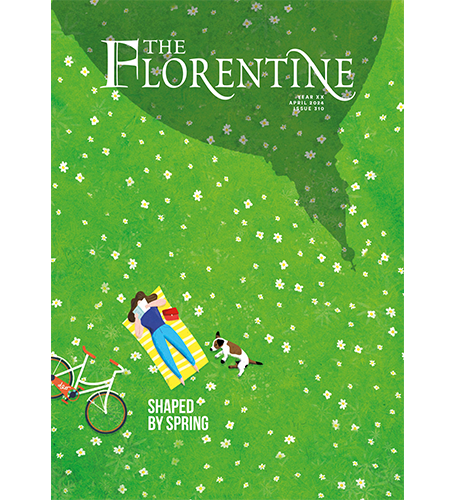
How to spend the season in the city and surroundings.


The recent 2024 Selezione Oli Extravergine showcase held at Cinema la Compagnia di Firenze served as an opportunity to delve into various aspects of the olive oil sector, including pressing ...
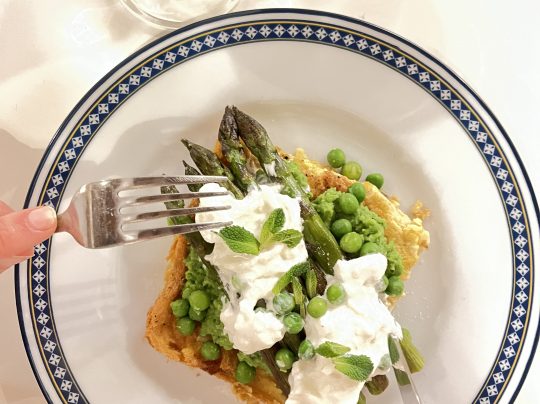
This upgraded version of the crispy Tuscan cecina chickpea pancake is the perfect dinner recipe for the spring.
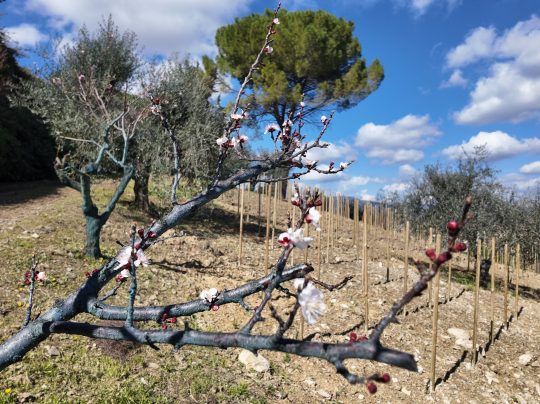
The Fittipaldi family replants their vineyard with a Duomo view.
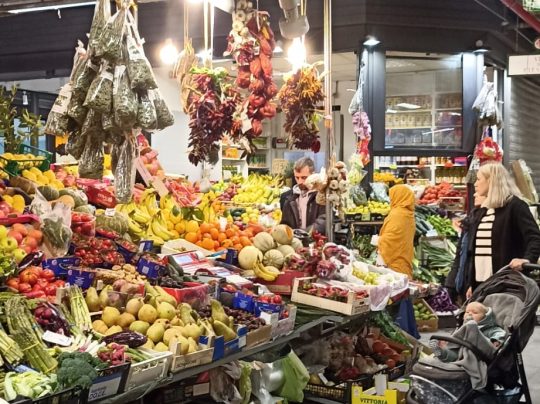
The Mercato Centrale Storico is planning a line-up of events to celebrate its culinary and historical value.

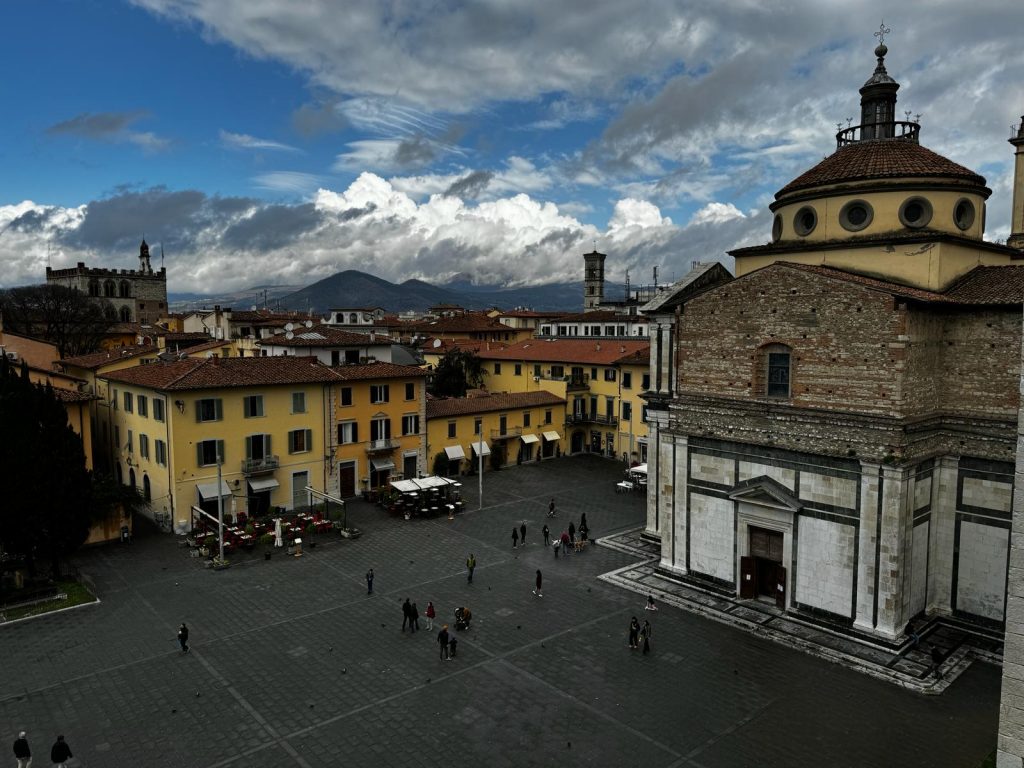
1) Slow Prato - E’ lunedì mattina e in molte città toscane i musei sono chiusi, un tour classico dedicato al centro storico e ai biscotti di Prato è una buona scelta per iniziare bene la settiman...
Highly trained bilingual professional translator, research and editor in Science, Literature and the Arts now available for revision, editing and translation, where necessary, of Italian and ESL (Engl...
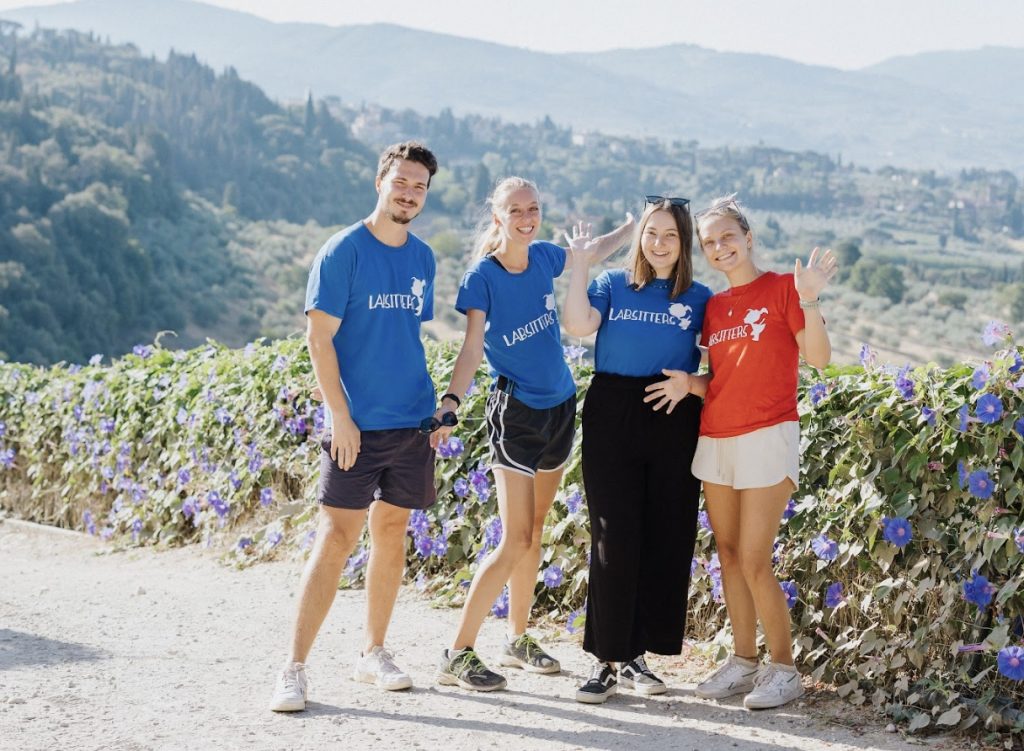
Our summer camp counselors are in charge of making learning English fun! Counselors will spend the summer months conducting, participating and entertaining children with a program of exciting and imm...

We are excited to welcome a Junior Business Development and Agent Coordinator to our busy real estate agency. As a proactive member of our real estate team, you will play a key role in the growth and ...
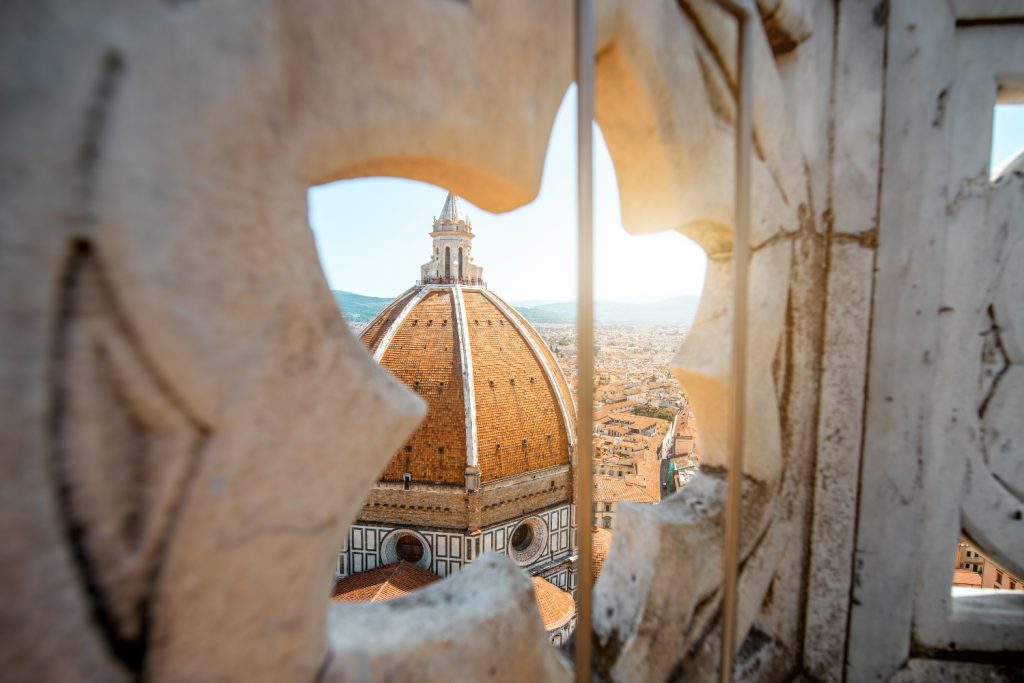
Enjoy exclusive access to renowned museums, palaces, and private estates. Delight in gourmet experiences with Michelin-starred chefs, from cooking classes to wine tours, foraging and truffle hunts. Ch...
Join our team as a Part-Time English Speaking Sales Associate in our vibrant Florence store, Il Perseo Leather! We're looking for a motivated individual for this dynamic role. Fluency in English is es...

Let yourself be moved by the beauty of handwriting by participating in our Bloom-Ink experience with calligrapher and designer Betty Soldi. The workshop will be followed by a refreshing aperitivo ...
Available from October 2024 Part-time. mornings/afternoons, over 30 years of experience between London and Florence. first aid trained, new Born's and toddlers welcome. National Contract required....