Florence has approved a major expansion of restrictions on new short-term tourist rentals, extending limits beyond the historic UNESCO centre in what city officials are describing as an unprecedented move in Italy.
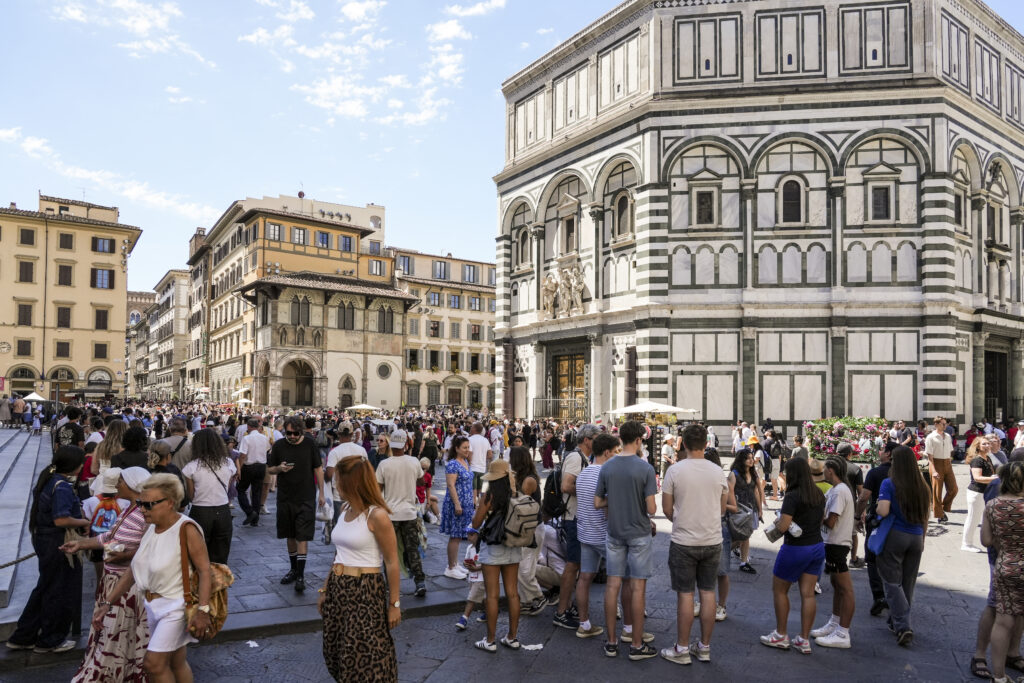
The measure, which was approved on May 26, dramatically enlarges the areas where new Airbnb-style rentals cannot be opened. The restrictions will now cover more than 100,000 residential properties across the Tuscan capital.
Until now, the ban applied only to Florence’s UNESCO heritage centre, encompassing 35,593 homes. Under the new plan, an additional 67,780 properties located outside the old city centre core will also fall under the restrictions.
Mayor Sara Funaro called the decision a national first.
“We were pioneers at the national level with the ban on new tourist rentals in the UNESCO centre, and now we are once again,” Funaro was quoted as saying in an article in local newspaper Corriere Fiorentino.
The affected neighbourhoods include San Jacopino, Statuto, parts of Rifredi, Le Cure, Campo di Marte, sections of Bellariva and the broader San Frediano area stretching toward Isolotto. In practical terms, the exclusion zone now extends from via Erbosa to piazza Paolo Uccello.
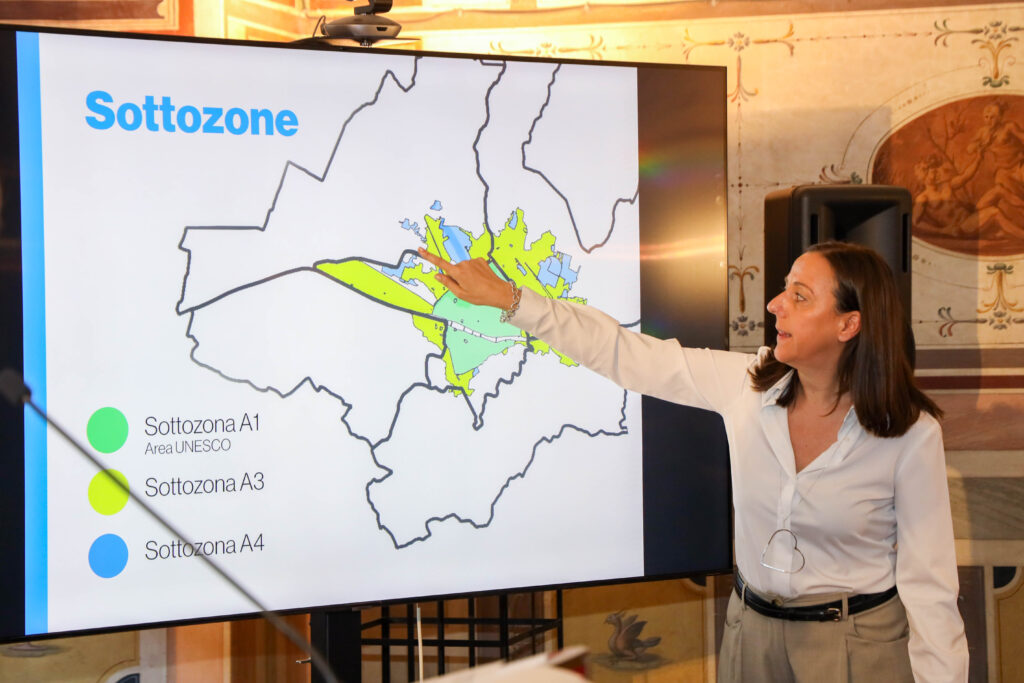
City officials said the restrictions are based on researched conducted by Filippo Celata, professor of economic geography at Sapienza University in Rome. The study identified districts where tourist rental pressure is already high or rapidly accelerating.
Areas where short-term rentals are growing but remain relatively limited were excluded for now. According to the municipality, the policy is grounded in Tuscany’s regional tourism law, which allows local governments to designate zones where residential life is threatened by overtourism.
Funaro has requested an accelerated approval process, with the proposal scheduled for committee review on May 27 and a final vote in the city council expected on June 4.
The measure will not immediately reduce the number of existing short-term rentals. A moratorium protecting current operators remains in place until May 31, 2028. After that date, Florence plans to introduce an authorization system that could begin reducing the total number of tourist rentals in the city. In the meantime, officials said the exclusion zones may be revised depending on future tourism and housing trends.
“This is not a battle against anyone,” Funaro said. “It is a battle for the livability of Florence.”